48 hr
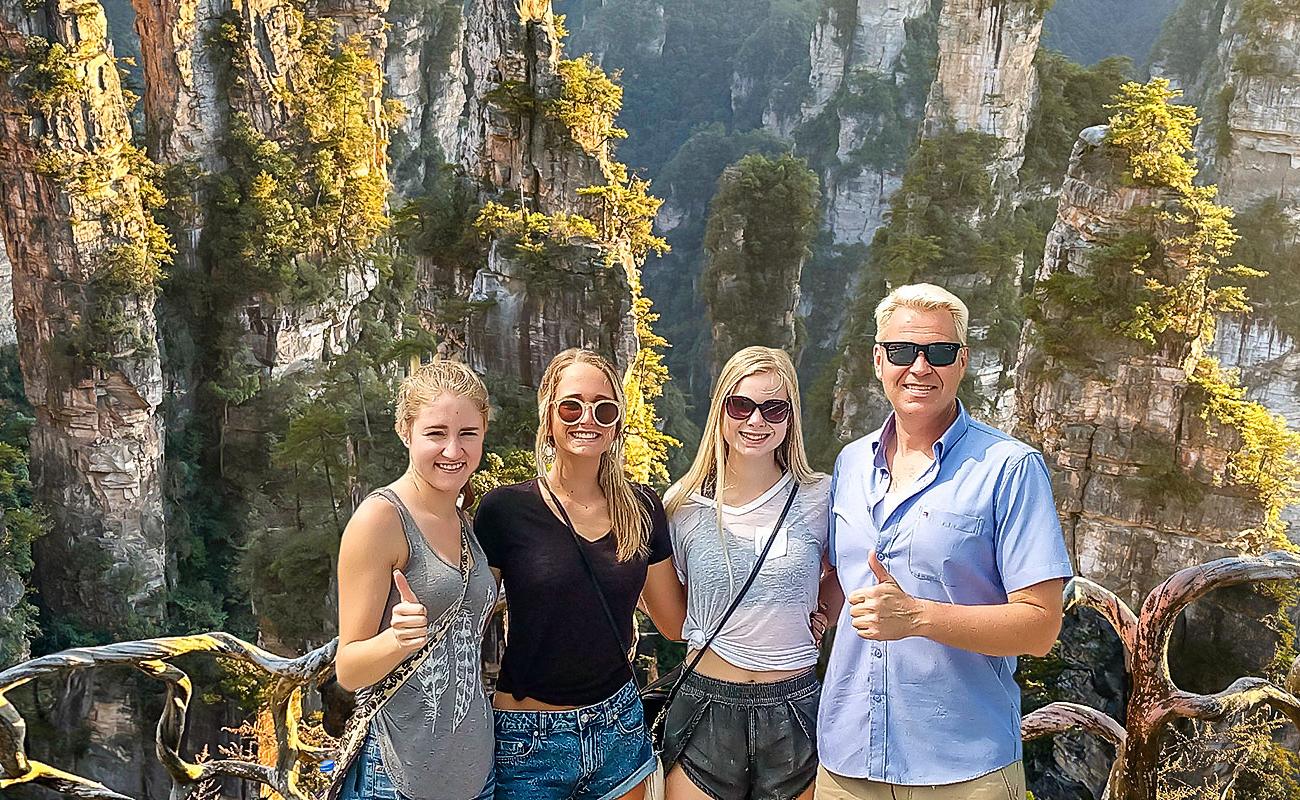
Zhangjiajie Avatar Mountains & Glass Bridge Adventure
- Expert local guide
- Small group
- Skip-the-line access
- Free cancellation
Zhangjiajie Photography Tours — Avatar Peaks & Glass Bridge Access
Dawn-timed entries to quartzite pillars, cloud terraces where light splits the canyon
Compare fares, pick the fit — all bookings are mobile-voucher and eligible for free cancellation where shown.
48 hr
48 hr
12 hr
| Experience | Duration | Rating | Transfers | Skip-the-line | Guide | Small group | Price | |
|---|---|---|---|---|---|---|---|---|
|
Guided Experience
Most popular
Zhangjiajie Avatar Mountains & Glass Bridge Adventure
|
48 hr | ★ 4.9 | ✓ | ✓ | ✓ | ✓ | $99 | Book → |
|
Guided Experience
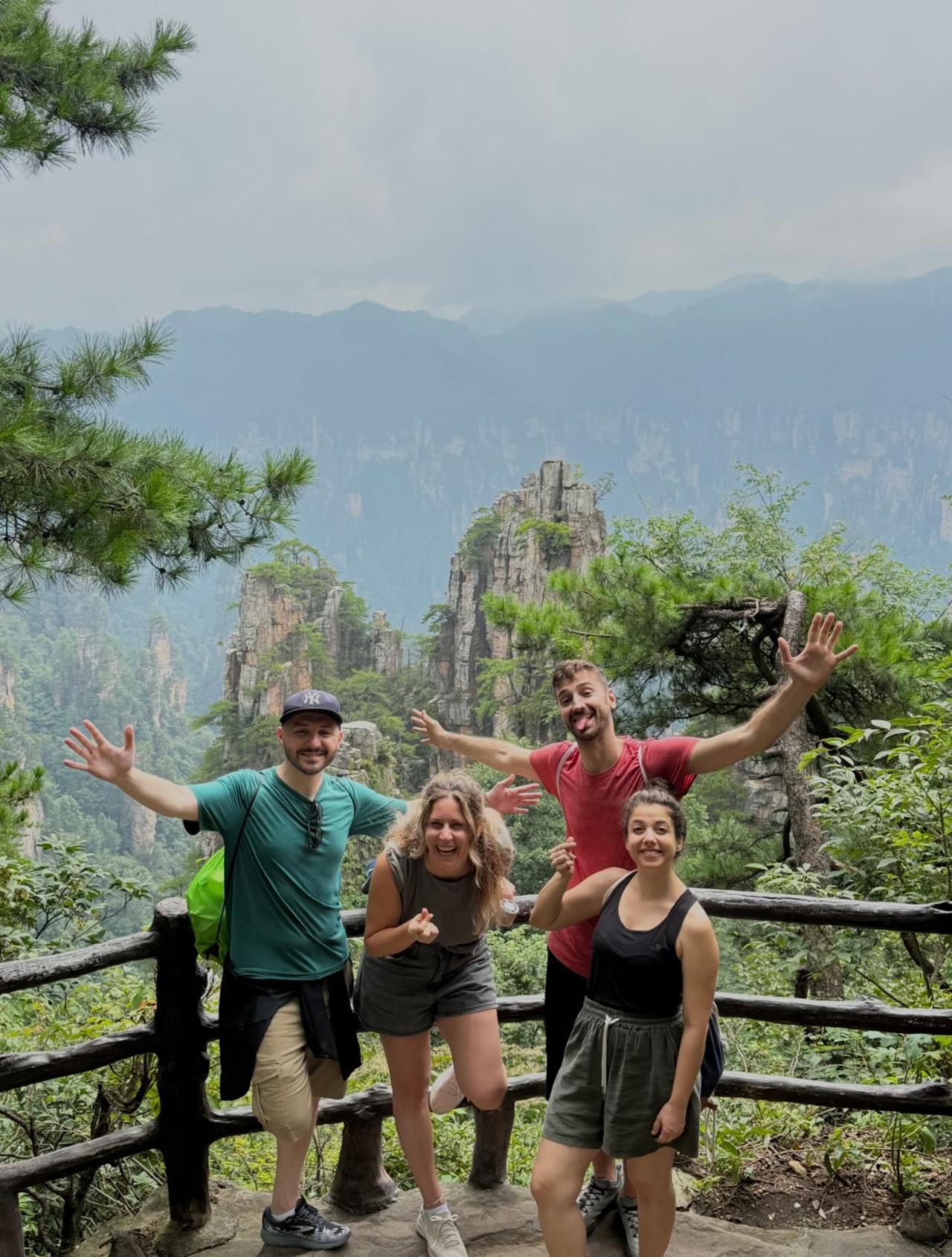
Avatar Peaks, Glass Bridge & Tianmen Mountain Adventure
|
48 hr | ★ 4.9 | ✓ | ✓ | ✓ | ✓ | $88 | Book → |
|
Guided Experience
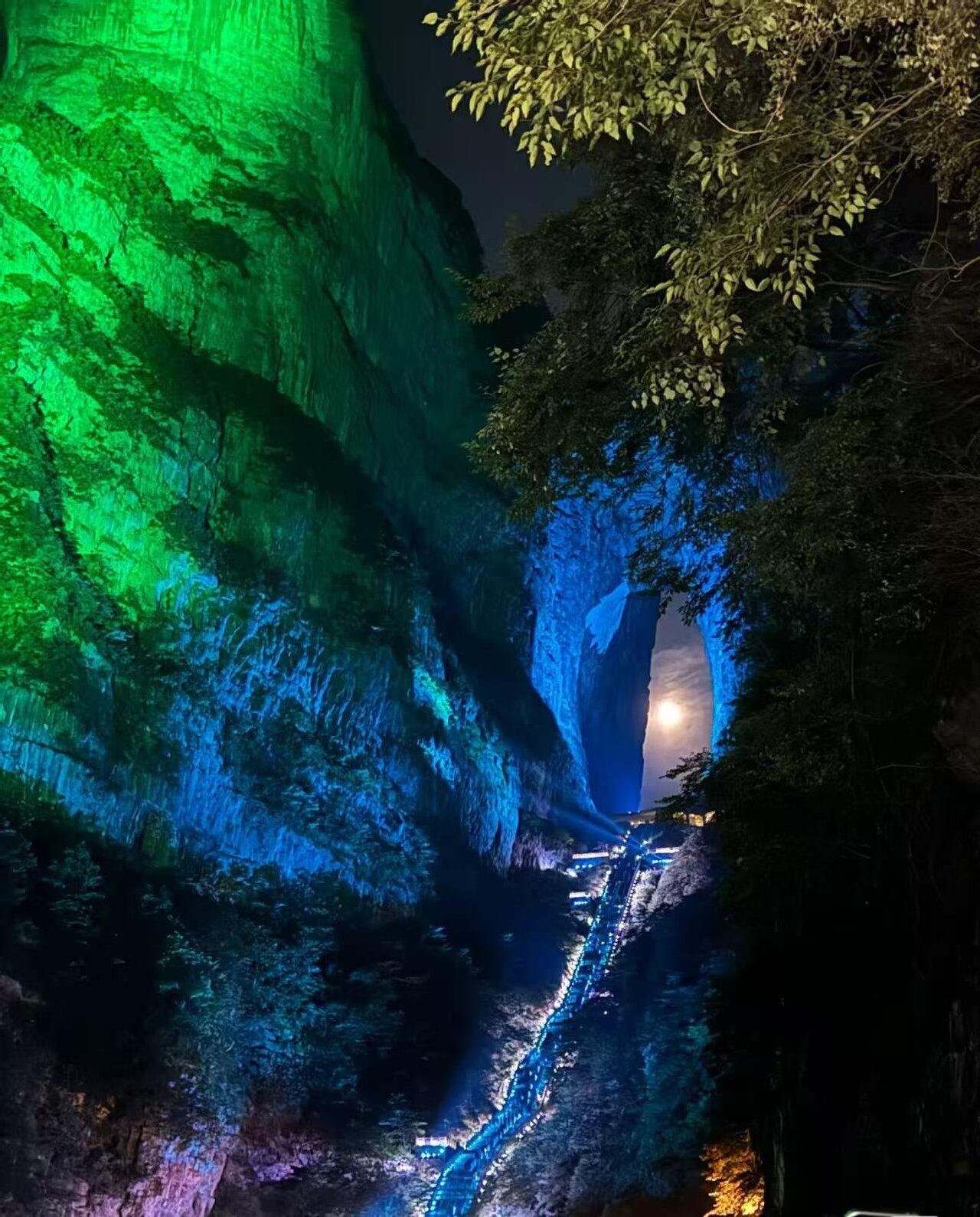
Tianmen Mountain & Avatar Peaks Sunset Experience
|
12 hr | ★ 5.0 | ✓ | ✓ | ✓ | ✓ | $125 | Book → |
Worth it for serious photographers and convenience seekers
Zhangjiajie Photography Tours deliver value through logistical efficiency rather than price savings. The 248 CNY park entrance is identical whether you book independently or through a guided tour, but photography-focused packages bundle transportation, insider access to optimal shooting locations, and timing strategies that independent visitors spend days learning. Tours navigate the Bailong Elevator queues, position clients at Avatar Hallelujah Mountain during golden hour, and provide local knowledge about weather patterns affecting the sandstone pillars. For photographers prioritizing shot quality over budget flexibility, the premium pays off in reduced friction and maximized shooting windows. Casual visitors content with smartphone snapshots will find the base entrance fee sufficient, though the internal shuttle coordination and peak-crowd navigation still demand effort most underestimate.
Bottom line: Photography enthusiasts gain measurable time and shot-quality advantages; budget travelers shooting casually should explore independently and invest the premium in multi-day passes instead.
They complement each other; most visitors who do both call the guided Zhangjiajie Photography Tours experience the more efficient way to capture the park's shifting light.
|
Top pick Photography Tours |
Independent DIY Visit | |
|---|---|---|
| Logistics Support | Dedicated local fixer | |
| Park Access | Permit and skip-the-line assistance | |
| Optimal Light | Custom sunrise/sunset scheduling | |
| Route Flexibility | High — tailored to weather | |
| Group Size | Private or small group | |
| Language | Fluent English-speaking guide | |
| Primary Benefit | Stress-free photo composition | |
| Price | Varies (premium service) | |
| See tickets & prices |
Verdict: Choose a Zhangjiajie Photography Tours package if you have a tight multi-day schedule and want to secure specific sunrise vantage points, whereas independent exploration is ideal for patient travelers comfortable managing their own transport through the Wulingyuan scenic area.
Hand-picked experiences loved by thousands of travelers
10 hours
Free Cancellation
Conquer three legendary sites in one day—floating mountains, a glass canyon bridge, and a sky-high natural arch.
4 days
Free Cancellation
Explore Avatar's iconic peaks across flexible daily itineraries with reserved entry and elevator access
1 day (approximately 4 hours on-site)
Free Cancellation
Soar above Zhangjiajie on a scenic cable car, explore the legendary Tianmen Cave, and wander mountain-top trails with sweeping views.
1 hour 5 minutes
Free Cancellation
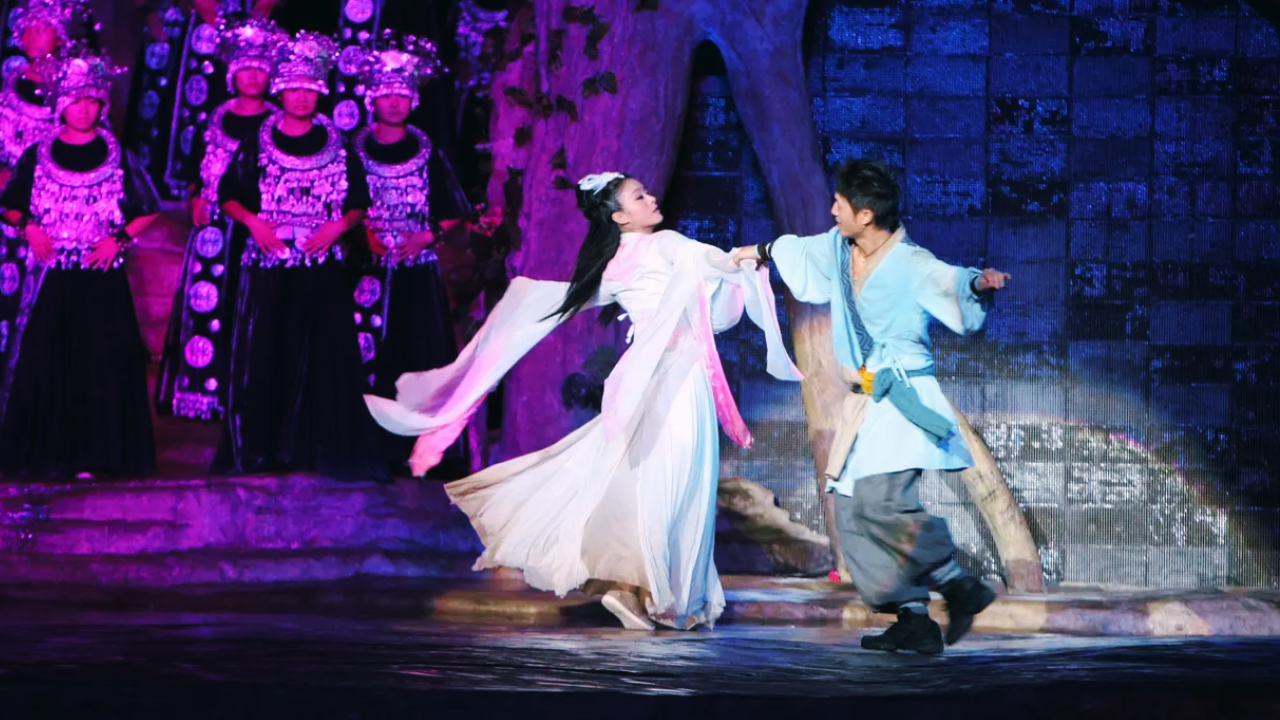
Watch China's pioneering large-scale outdoor musical drama unfold beneath the towering cliffs of Tianmen Mountain
10 hours to 1 day
Free Cancellation
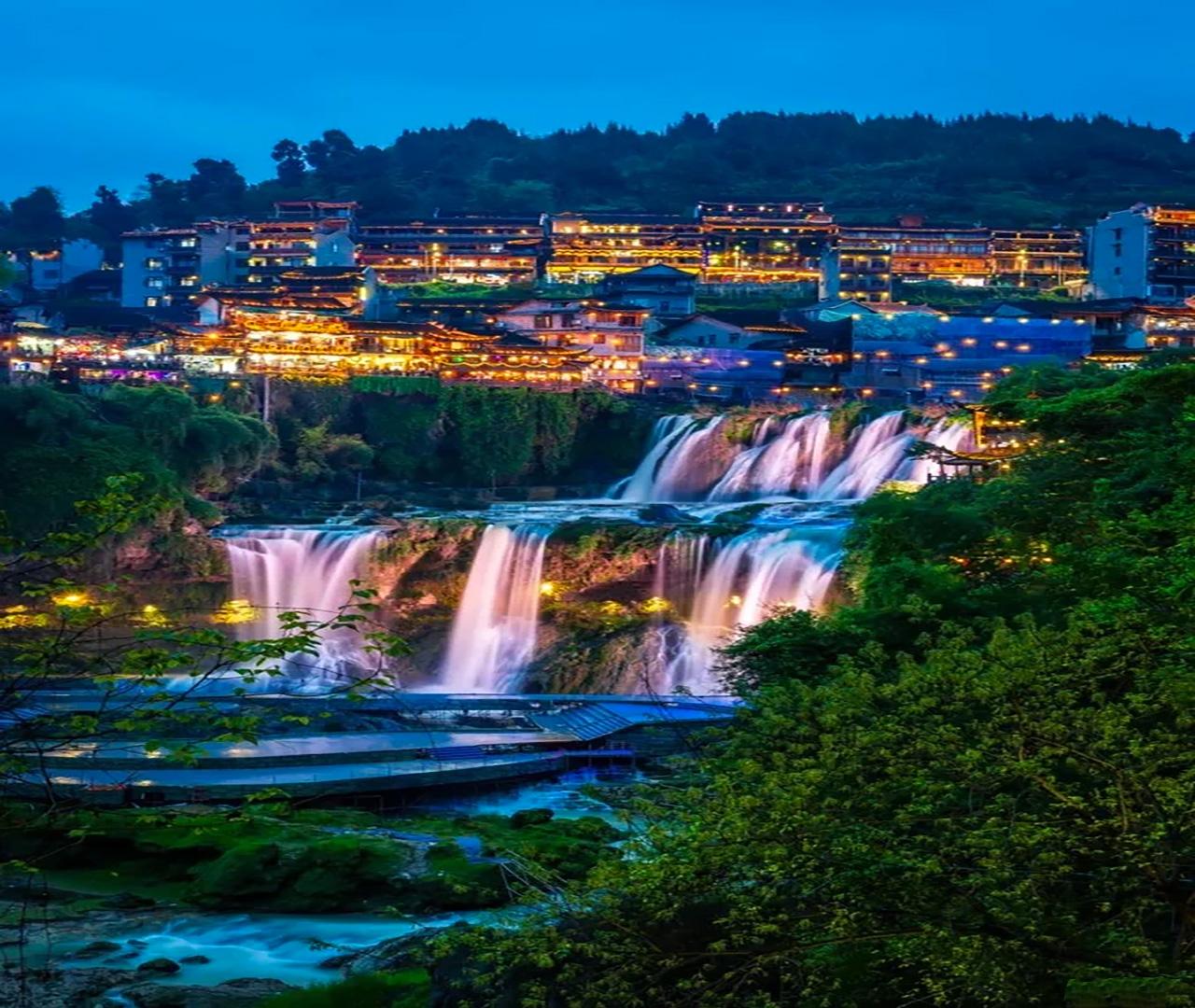
Journey to two illuminated historic towns with private transport, exploring waterfall views and riverside charm
2 days
Free Cancellation
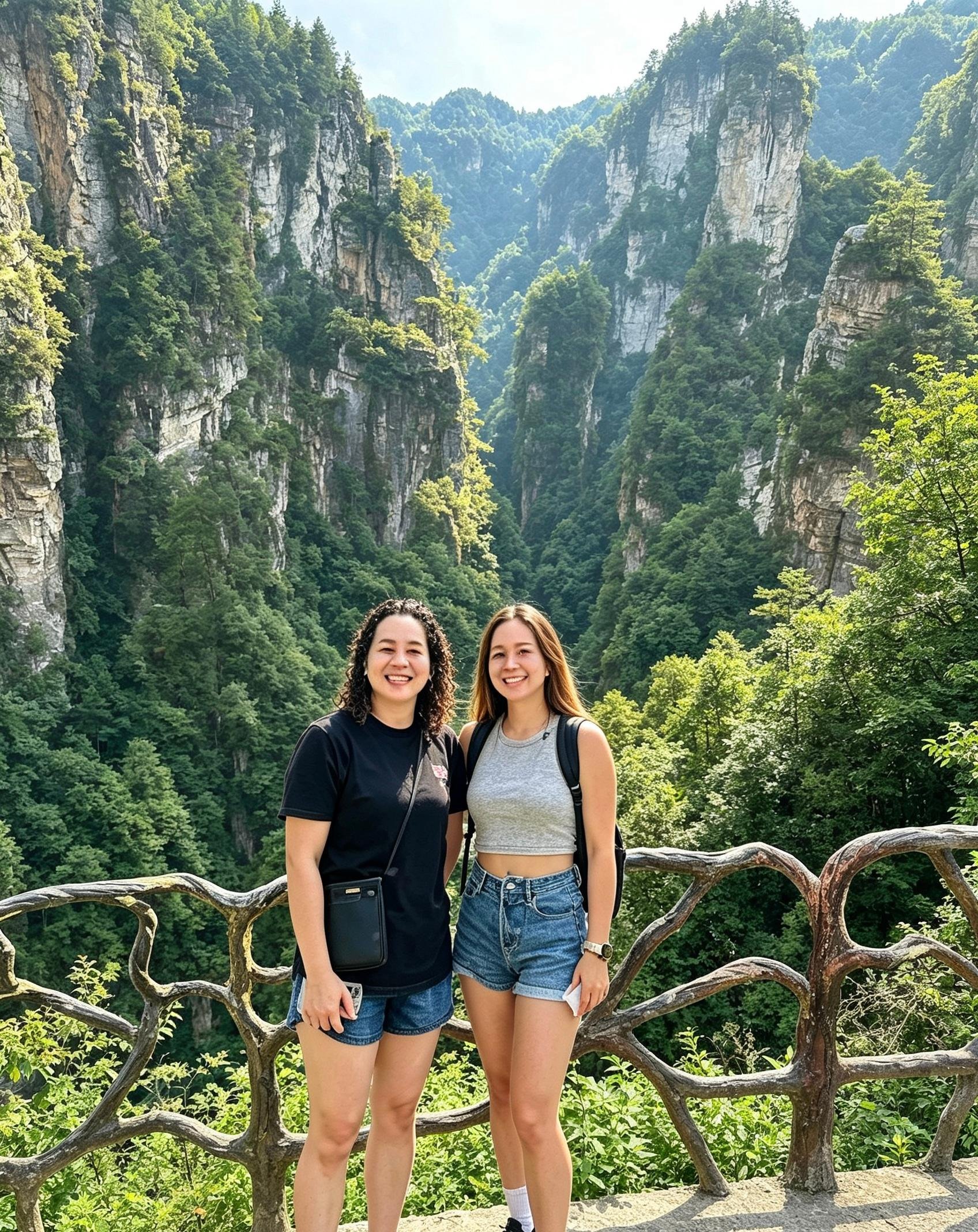
Discover Avatar landscapes, walk the glass bridge, and ride the world's longest cable car with your own guide
2 days
Free Cancellation
Explore sandstone pillars, walk glass bridges, and experience traditional tea culture in China's Avatar filming location
Full day experience
Free Cancellation
Soar above clouds on China's longest cable car, walk cliffside glass paths, and witness the natural arch of Tianmen Cave
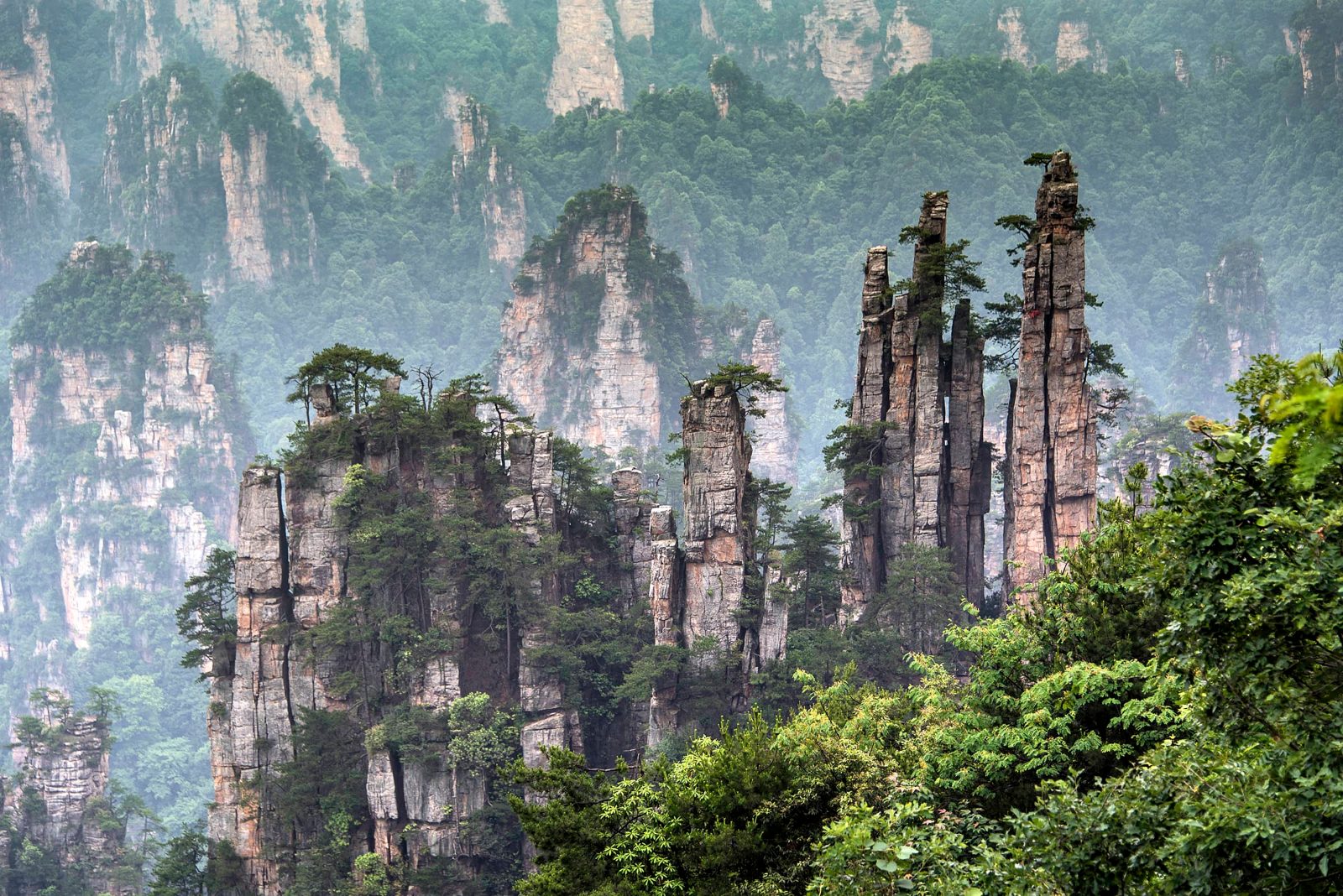
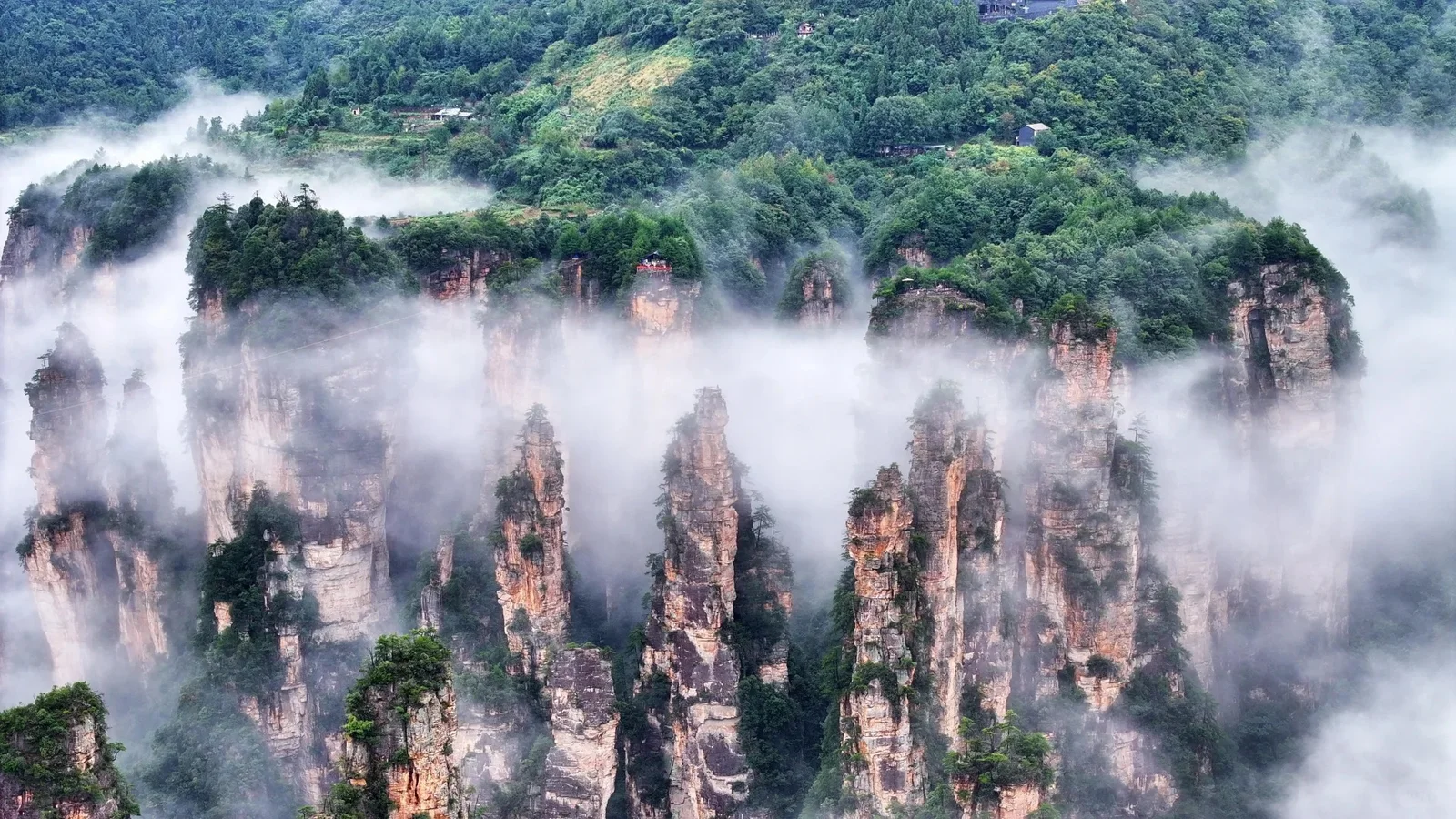
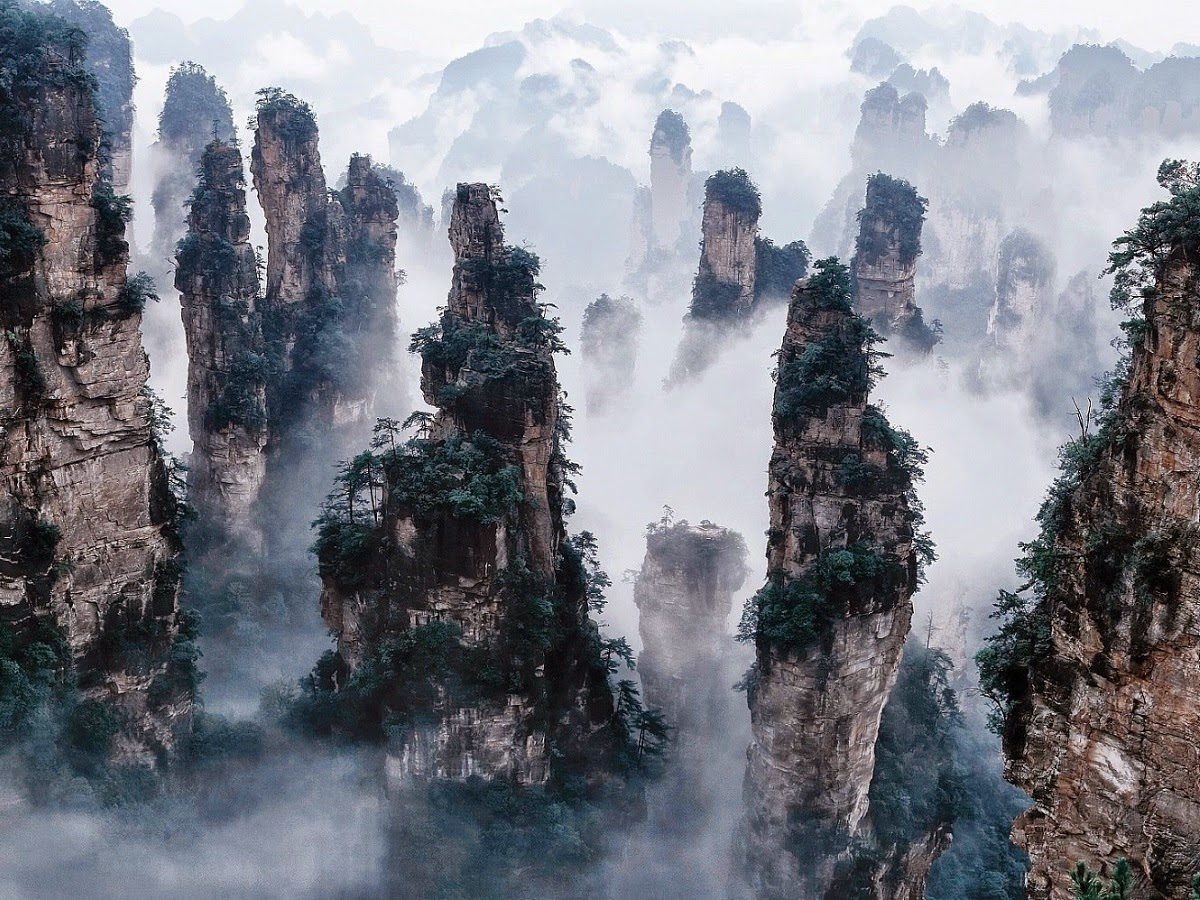
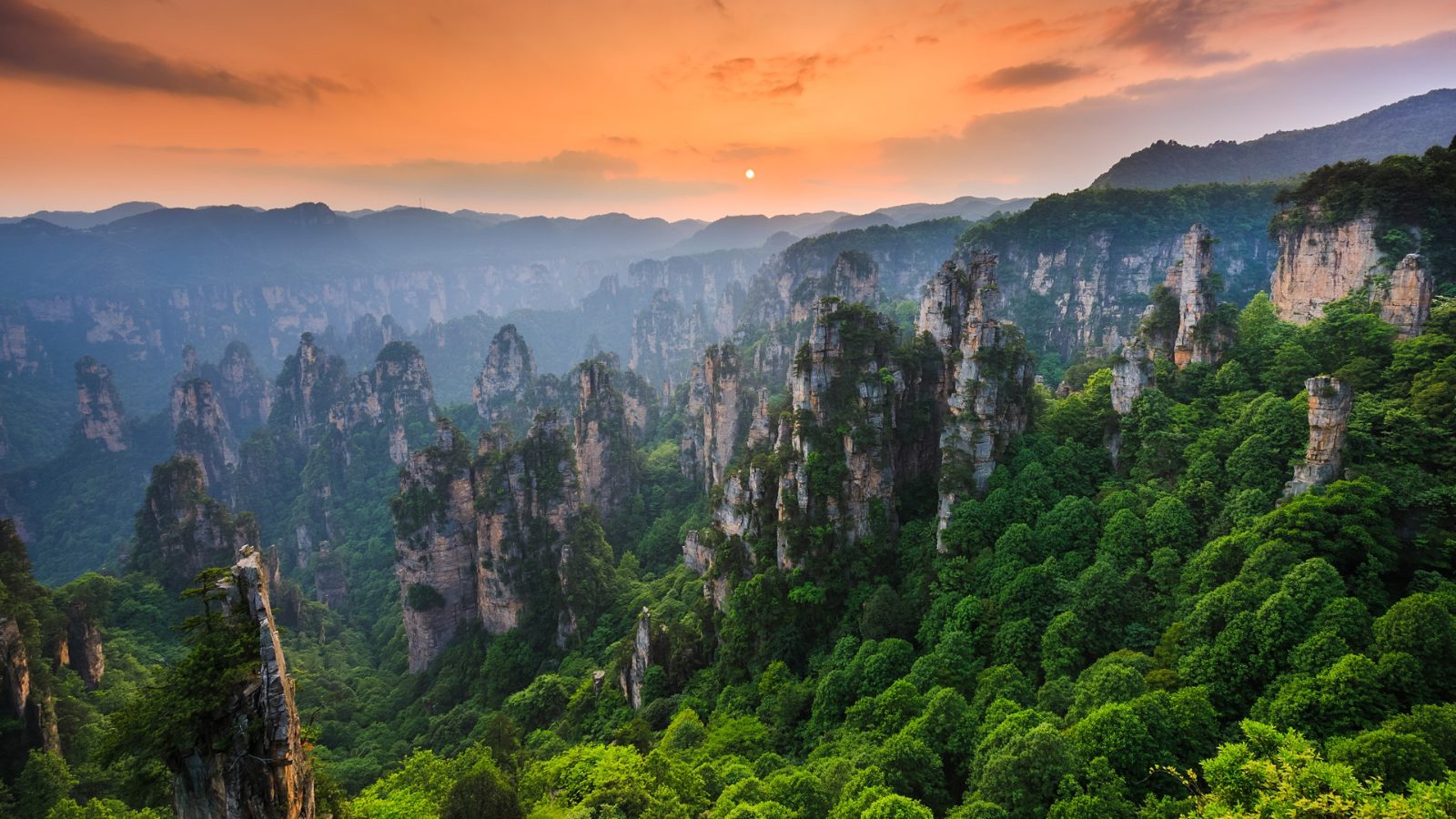
The inspiration for floating mountains with towering peaks reaching hundreds of meters.
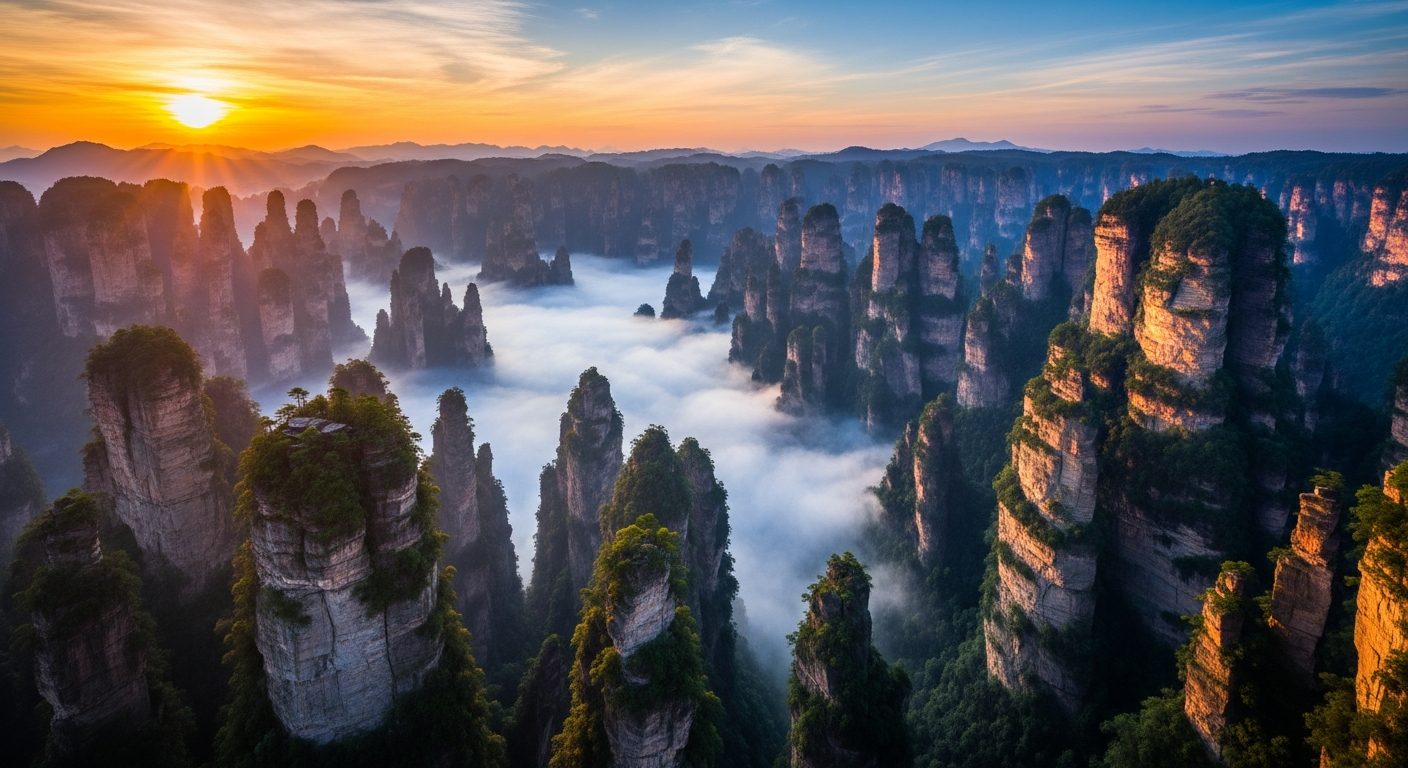
Famous for the sea of clouds and the view of the valley below.
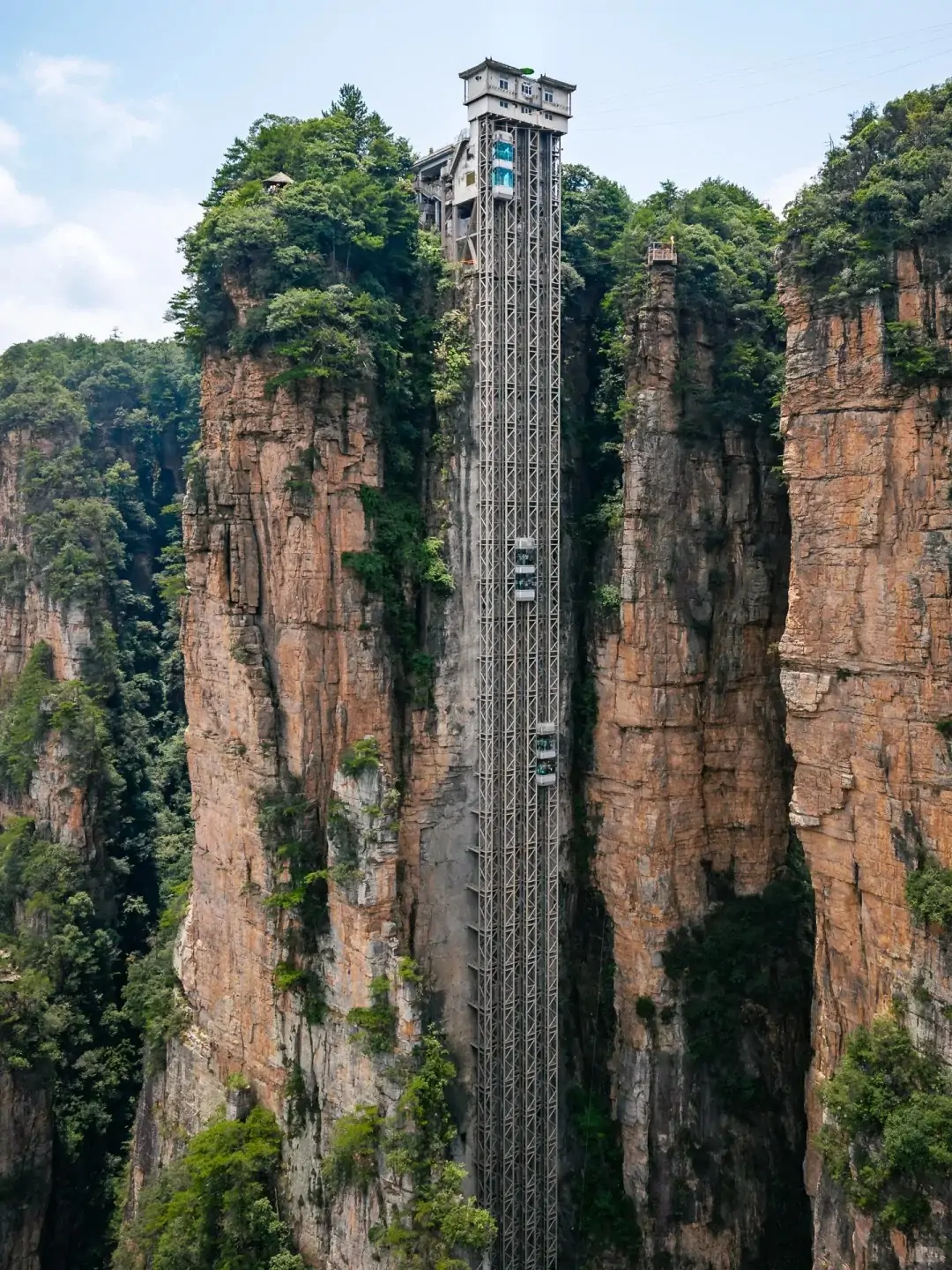
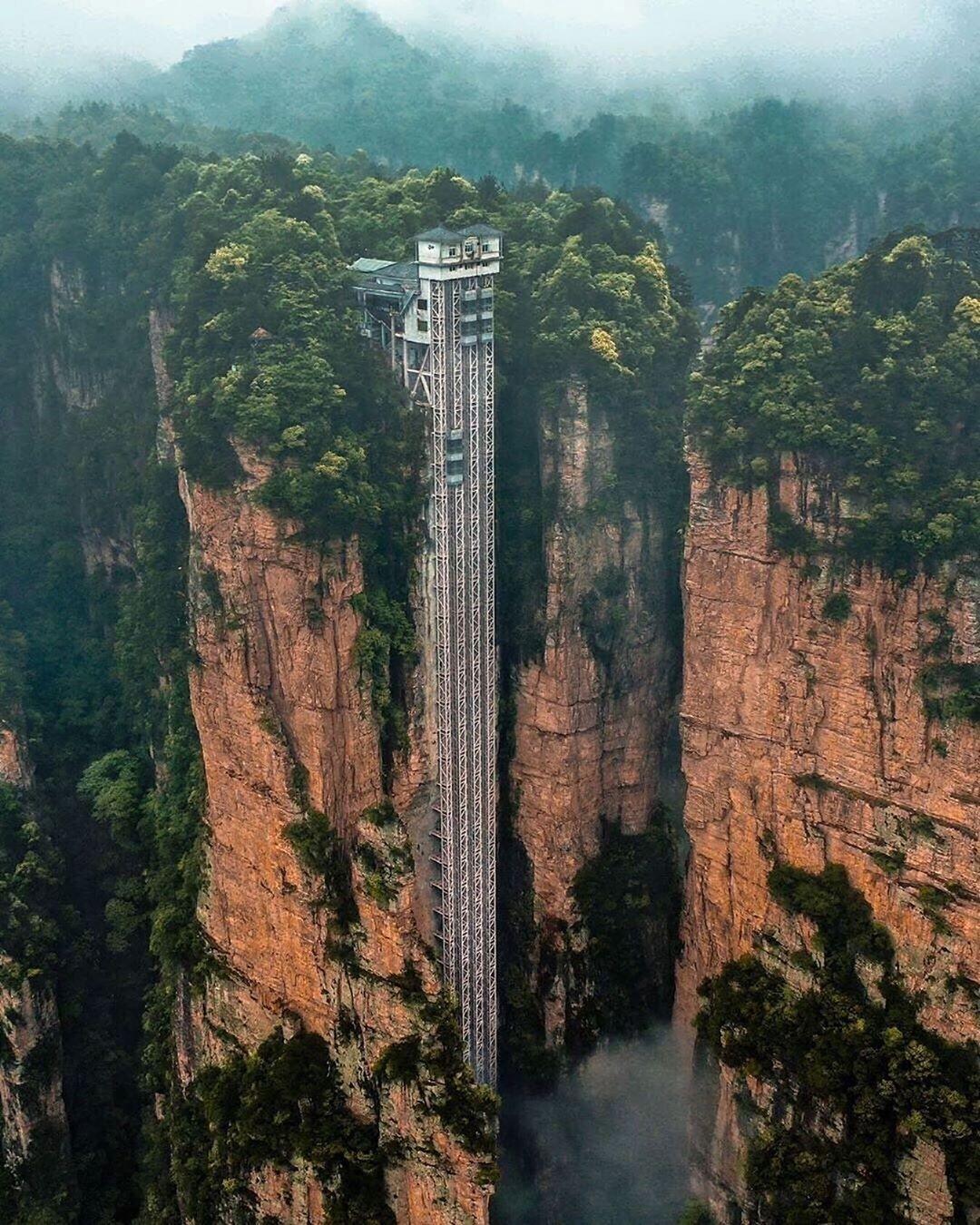
An engineering marvel that rises 326 meters in under two minutes.
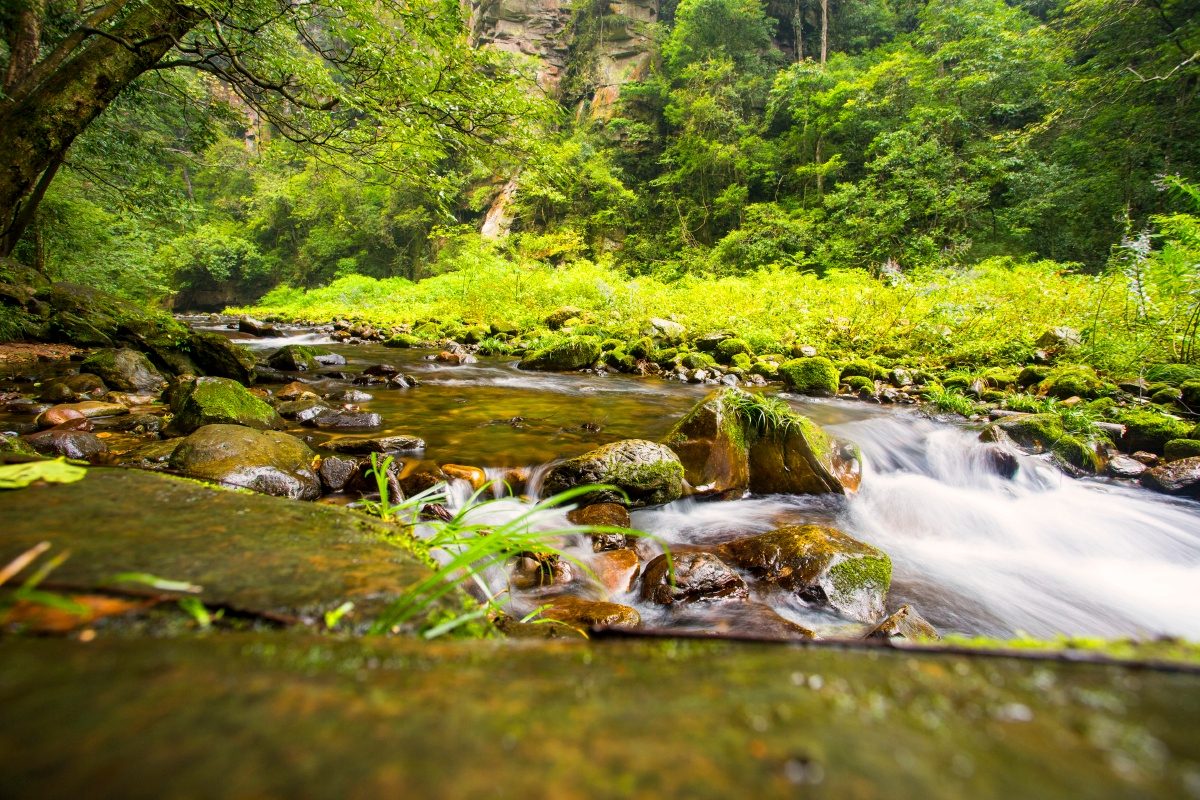
A peaceful route perfect for capturing reflections and local wildlife.
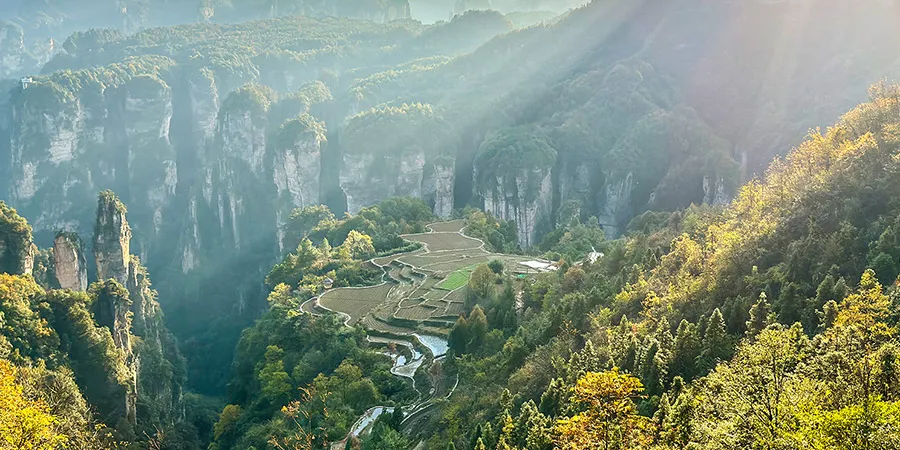
Known for the surreal 'Fields in the Sky' terraced rice paddies.
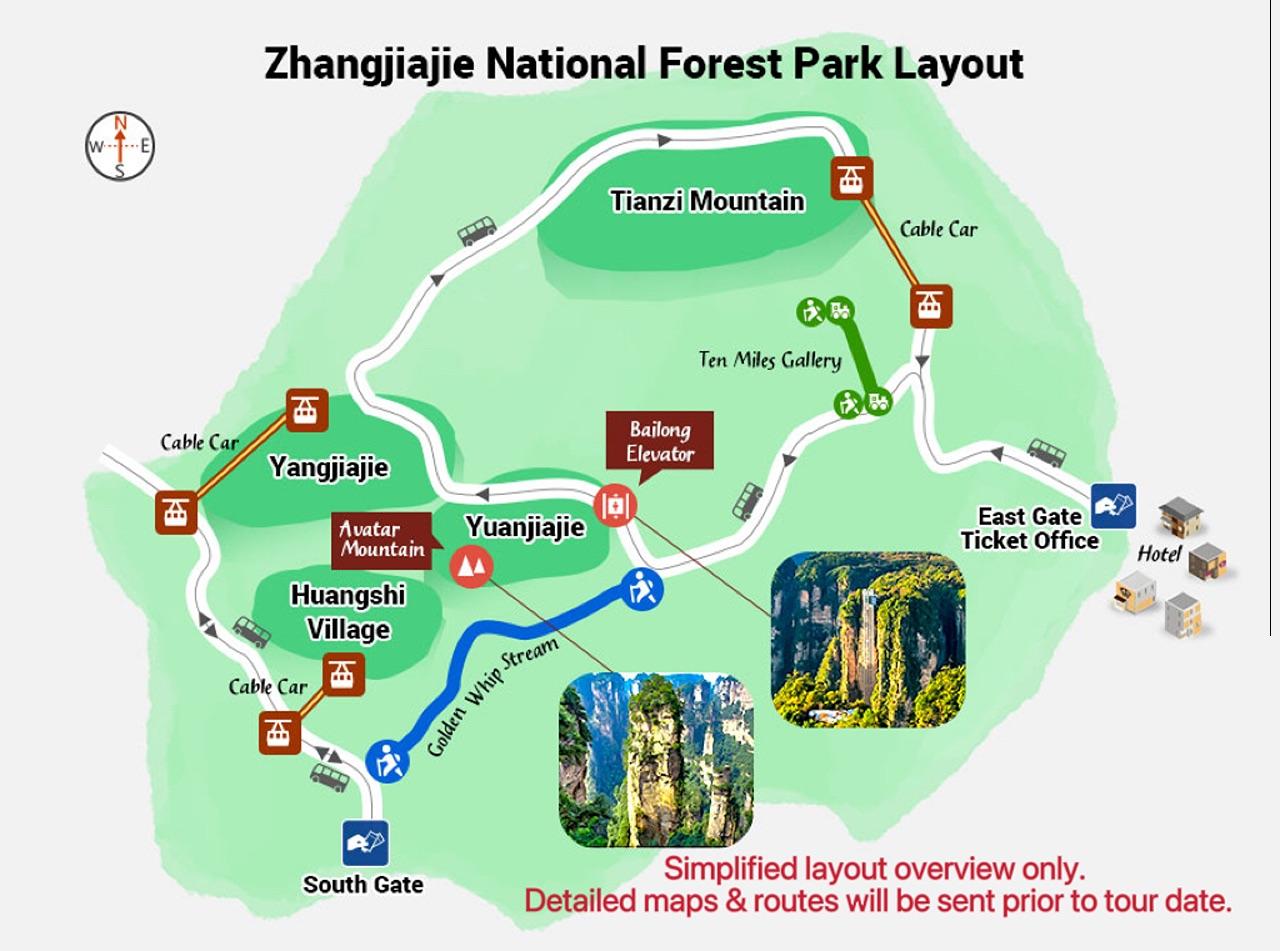
You arrive at the No. 279 Jinbian Road entrance at 07:00, conservation fee paid, and board the first shuttle threading Golden Whip Stream toward the Bailong Elevator base. The elevator ascends 326 meters in 88 seconds, glass panels framing the receding canyon as you rise.
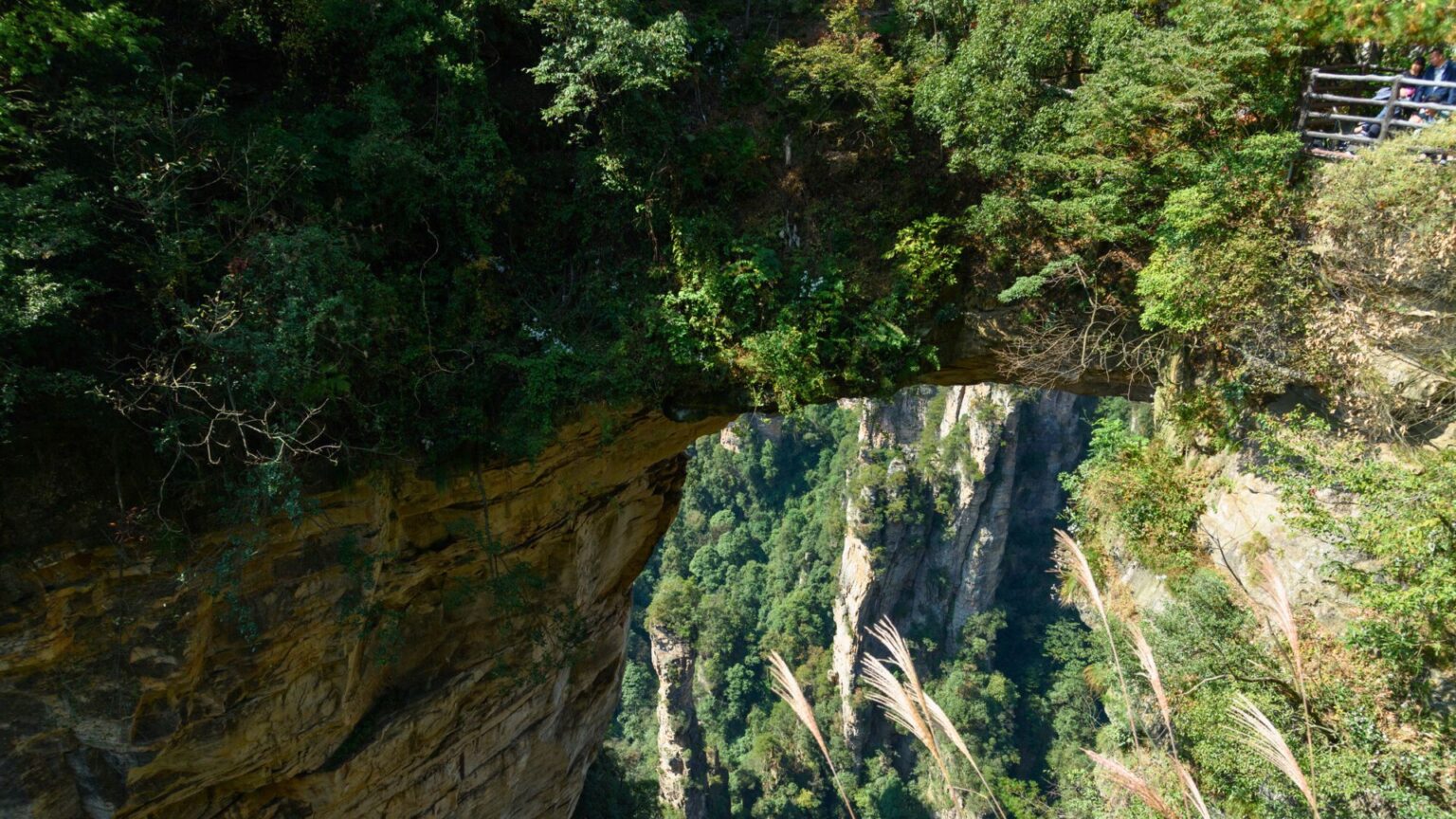
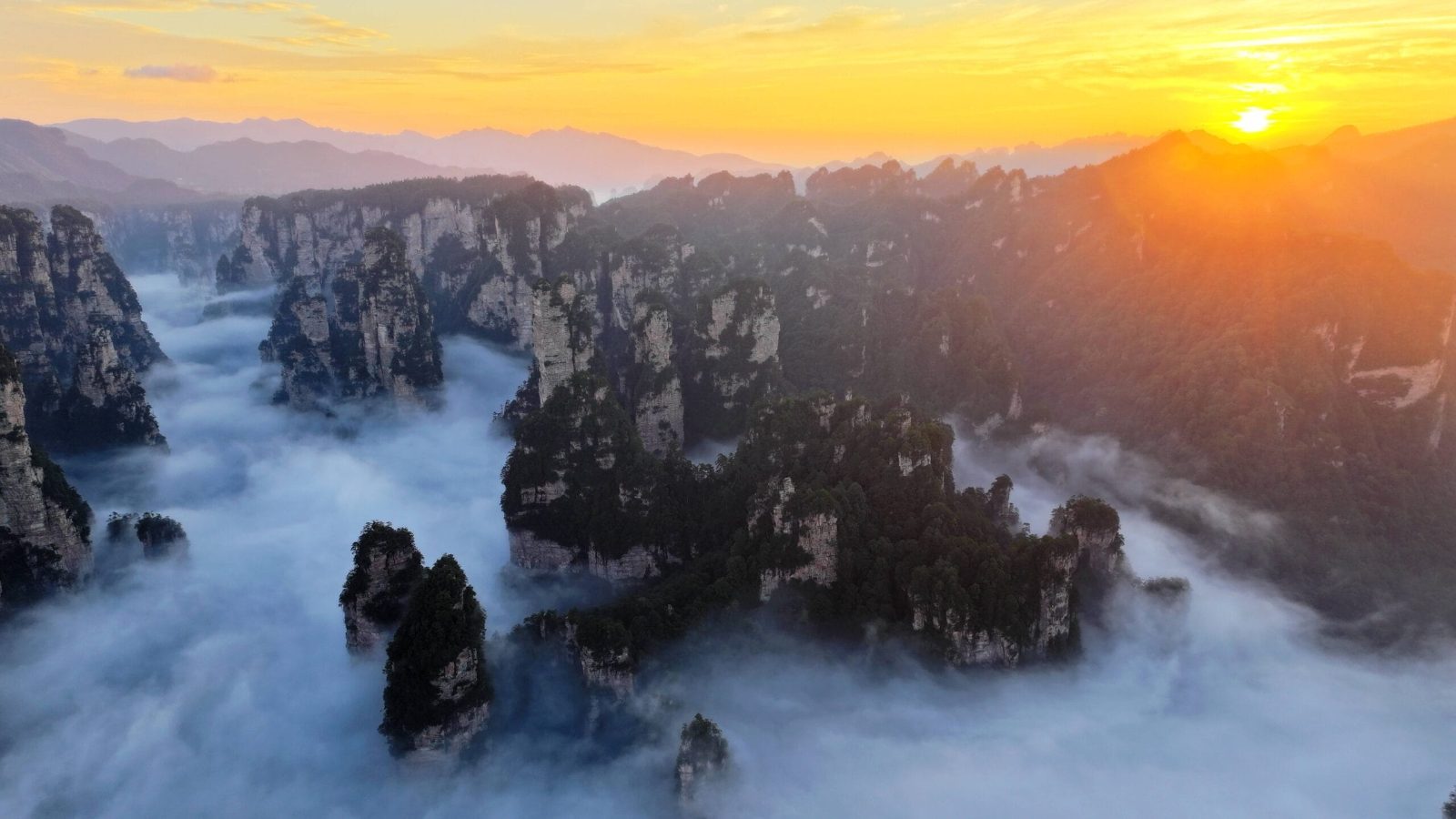
You step onto the Yuanjiajie platform at 07:14, fog still pooling between the pillars. Your guide leads the group 800 meters along the paved loop to the First Bridge Under Heaven, a natural stone span connecting two peaks, and positions tripods at the western edge where horizontal light will strike the Avatar Hallelujah Mountain at 07:40. You shoot in bursts as the fog thins, revealing layers of sandstone columns stepping back into the distance.
By 09:00 the light has lifted and the group descends via cable car to the shuttle depot, then transfers to Tianzi Mountain's summit platform at 1,262 meters. The viewpoint overlooks the Sea of Peaks—hundreds of pillars extending to the southern horizon. You spend 45 minutes working the ridgeline, then walk 1.2 kilometers to the Helong Park overlook, where a bronze statue of the Tujia general faces the same vista. The shuttle returns you to the park entrance by 13:30. If you've booked a multi-day Zhangjiajie photography tour, day two opens at Tianmen Mountain, where the cable car departs at 07:30 and the glass skywalk catches first light at 08:00.
All the details about your upcoming adventure in one place
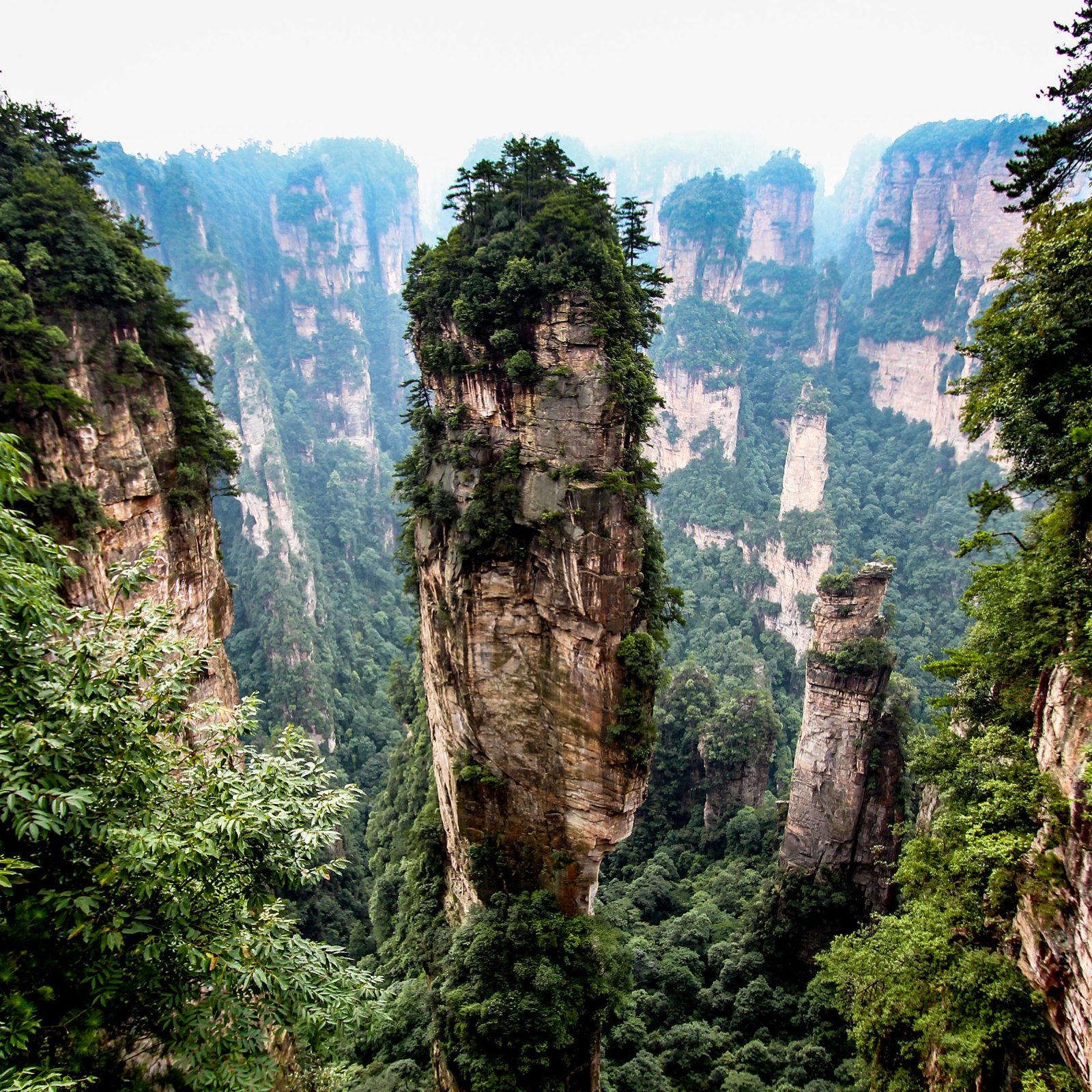
The 3,544 quartzite-sandstone pillars of Wulingyuan rise as high as 400 meters from a subtropical forest floor that was submerged beneath a shallow sea 380 million years ago.
Tectonic uplift and millennia of water erosion carved the Devonian bedrock into the narrow towers that inspired the floating Hallelujah Mountains in James Cameron's Avatar. In 1992 UNESCO inscribed the 26,000-hectare site as a World Heritage property, citing its concentration of pillar karst formations—the densest assemblage of such geology on Earth. The park spans Zhangjiajie National Forest Park, Suoxi Valley Nature Reserve, Tianzi Mountain Nature Reserve, and the newly added Yangjiajie Scenic Area, together sheltering 533 species of woody plants and providing habitat for the endangered Chinese giant salamander.
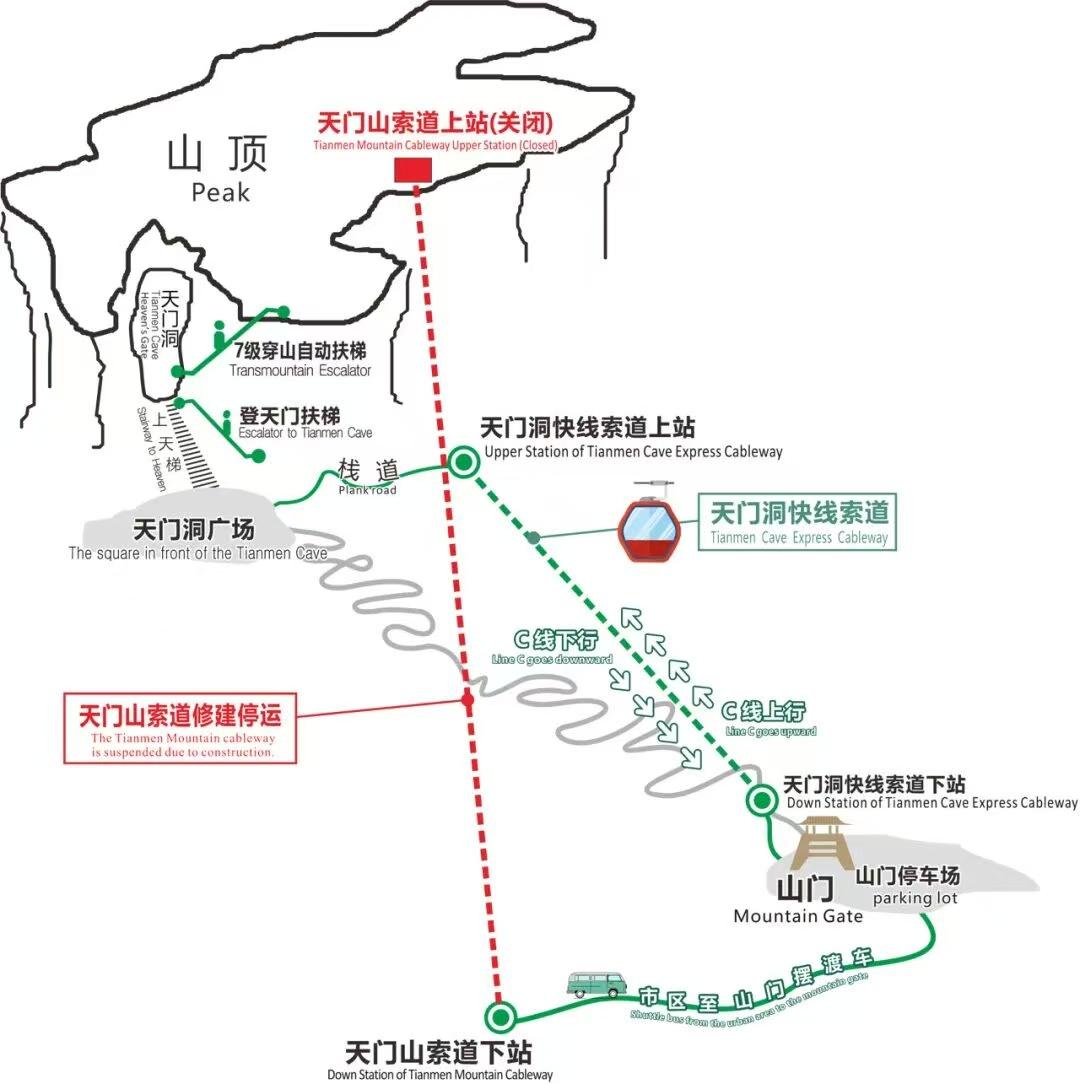
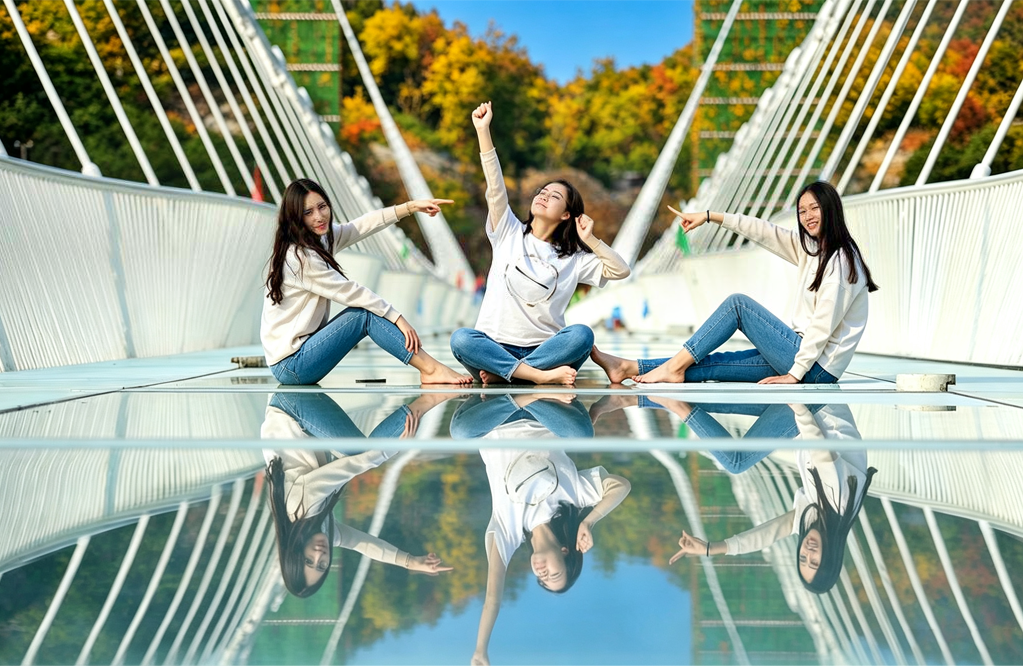
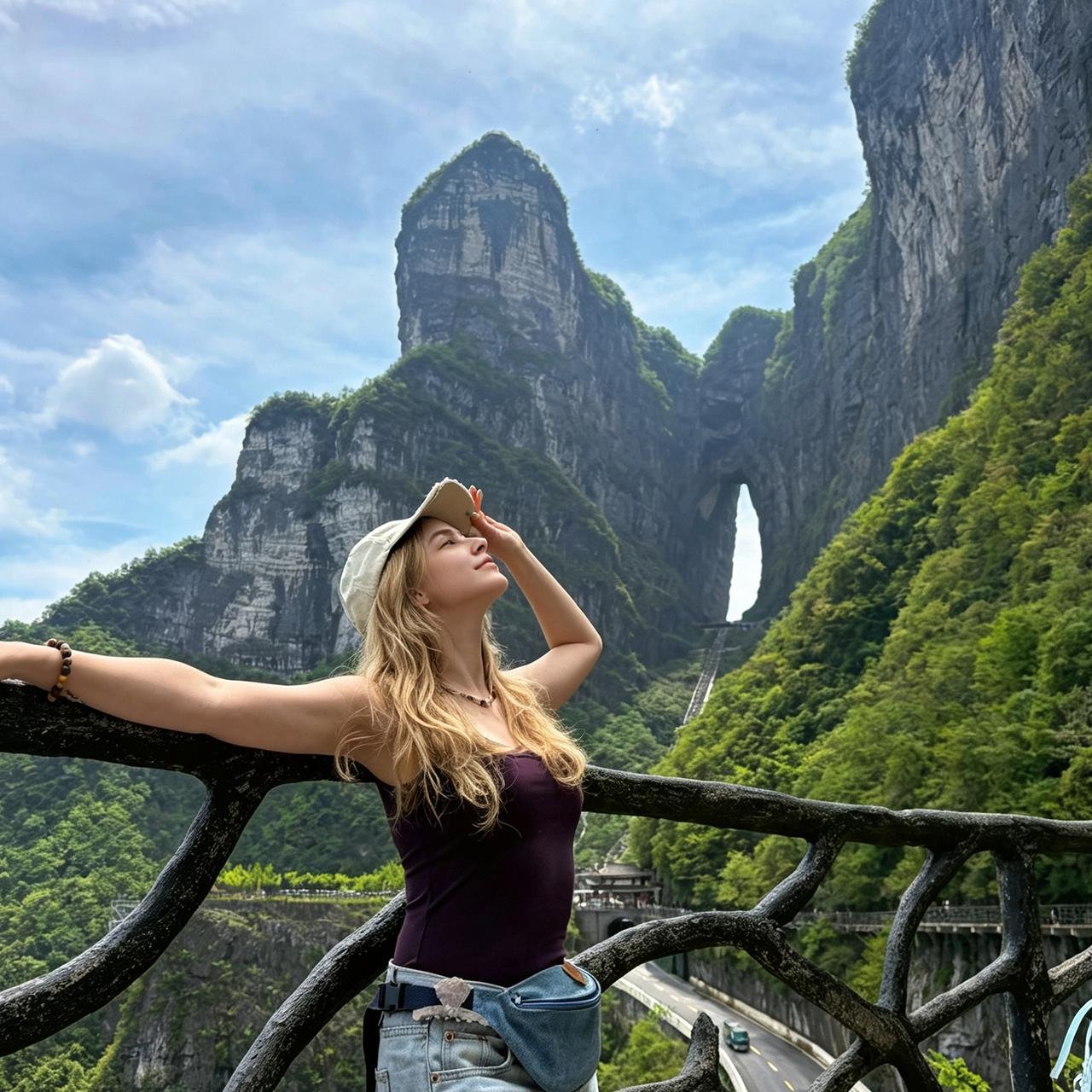
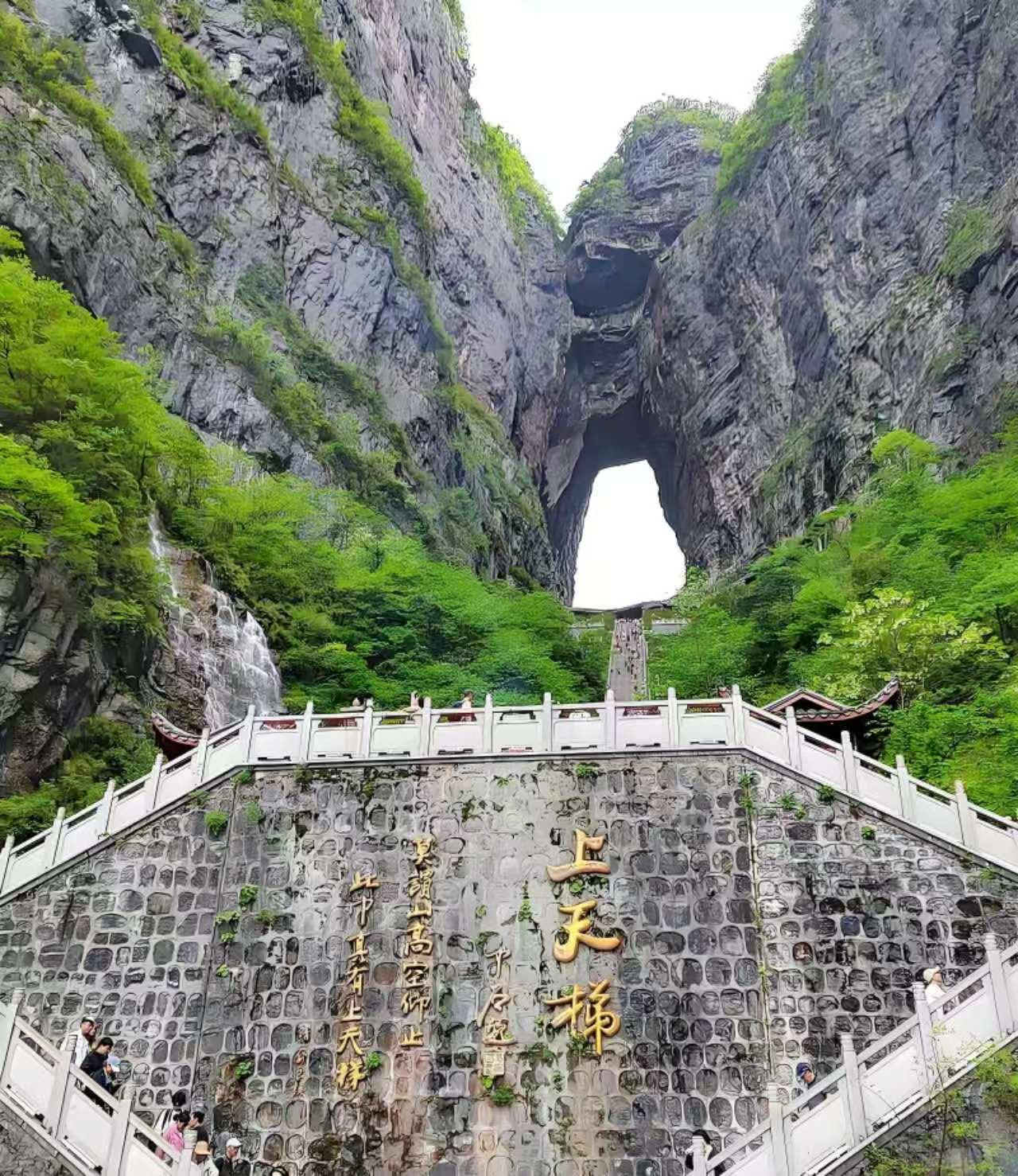
Photographers travel to Wulingyuan for conditions that exist nowhere else: morning fog banks that settle between pillars at elevations between 400 and 1,200 meters, isolating each sandstone column against white vapor; the 430-meter-long Zhangjiajie Grand Canyon Glass Bridge suspended 300 meters above the canyon floor, offering unobstructed downward sightlines; and the 999-step stone stairway ascending Tianmen Mountain to the natural arch known as Heaven's Gate, where light pours through the 131-meter-high opening at dawn. The Bailong Elevator, built into the side of a vertical cliff in 2002, lifts visitors 326 meters in under two minutes, delivering tripod-carrying groups to the Yuanjiajie platform before first light reaches the lower valleys. Golden Whip Stream, a seven-kilometer watercourse threading the canyon base, remains shaded until mid-morning, holding the blue hour longer than the upper terraces.
Zhangjiajie photography tour operators schedule entries between 07:00 and 09:00 to coincide with the park's 07:00 opening and capture the brief window when horizontal light rakes across the pillar faces. Multi-day itineraries pair the Avatar peaks with adjacent Tianmen Mountain, whose glass skywalk clings to a cliff 1,430 meters above sea level, and the 430-meter glass bridge spanning Zhangjiajie Grand Canyon, completed in 2016 as the world's longest and highest glass-bottomed bridge at the time of its inauguration. The 248 CNY conservation fee covers park entry, shuttle buses to primary viewpoints including Yuanjiajie, Tianzi Mountain, and Yangjiajie, but excludes the Bailong Elevator (72 CNY) and Tianmen Mountain cable car (278 CNY round-trip), both considered necessary for photographers working under dawn time constraints. Weather volatility in the subtropics means cloud cover shifts hourly; guides monitor real-time conditions and reroute groups to Tianzi Mountain or Ten-Mile Gallery when the main Avatar pillars disappear into fog.

The 3,544 quartzite-sandstone pillars of Wulingyuan rise as high as 400 meters from a subtropical forest floor that was submerged beneath a shallow sea 380 million years ago.
Wear sturdy, broken-in hiking boots suitable for uneven mountain paths and natural terrain. Dress in layers, as temperatures fluctuate significantly between the valley floor and high-altitude peaks.
Keep camera gear in weather-resistant, ergonomic backpacks to manage during steep climbs. Security checkpoints exist at all main park entrances; be prepared for manual bag inspections.
Zhangjiajie Photography Tours allow for extensive landscape capture, though drone usage is strictly regulated and often prohibited without advance permits. Respect all signage regarding tripod placement on narrow viewing platforms.
The park is suitable for active families, though the steep terrain and extensive walking may challenge younger children. Ensure children remain within sight at all times, especially near cliff-side railings.
While shuttle buses serve major hubs, significant portions of the park require navigating hundreds of stone steps. Dedicated paths for limited mobility are extremely sparse in the primary mountain zones.
Carry sufficient water and energy-dense snacks, as food outlets are concentrated near main stations. You may bring outside food and water into the park for your trek.
Opening hours
07:00–17:00
Address
No. 279 Jinbian Road, Wulingyuan District, Zhangjiajie City, Hunan Province, China
Accessibility
Extensive walking; shuttle buses available
Best arrival
07:00–09:00
Contact
+86-744-5959888
Public transport · Continuous · Included in fee
Green shuttle buses operate between core scenic areas inside the park.
Taxi · 30 min · Variable
Hire taxis from Wulingyuan village to park gates for direct access.
Cancellation terms are subject to the specific Zhangjiajie Photography Tours booking agreement. The 248 CNY conservation fee is generally non-refundable once park entry is processed.
Recommended time
1-2 days
To capture the best light, we recommend arriving between 07:00–09:00, as this early window allows you to navigate the sandstone pillars before peak crowds arrive. Selecting professional Zhangjiajie Photography Tours ensures you bypass typical congestion at the cable car stations and observation deck areas. You may find that securing Zhangjiajie Photography Tours tickets in advance helps streamline your entry, while our longer Zhangjiajie Photography Tours tour options provide the flexibility to wait for shifting mist or ideal shadows. Midday visitors often face significant queues, so plan your primary landscape sessions for the quieter morning or late afternoon hours.
Crowd levels through the day
Weather · crowds · average price — dots go green to amber to red as each metric rises.
March to May brings lush greenery and frequent morning mists. This is prime season for capturing the vibrant renewal of the forest canopy.
June to August is warm but attracts larger crowds. High-contrast lighting provides dramatic shots of the pillar formations.
September to November offers stable, dry weather with clear blue skies. The foliage turns golden, creating an ideal palette for fall photography.
December to February provides a serene, snow-dusted landscape. Fewer tourists visit, offering quiet access to popular photography spots.
Start your day at 07:00 to secure the best lighting before the mid-day tour groups arrive. This early window is vital for capturing atmospheric mist at the peaks.
Cold temperatures at higher altitudes can drain batteries faster than expected. Store your spare batteries close to your body to maintain their charge in winter months.
The land that would become Zhangjiajie Photography Tours existed in obscurity until 1982, when the State Council designated Zhangjiajie as China's first national forest park. Local Tujia and Miao communities had inhabited the sandstone valleys for centuries, but the pillars remained largely unknown beyond Hunan Province. Wu Guanzhong, a prominent Chinese painter, published sketches of the formations in a 1979 art journal, triggering the first wave of domestic visitors. By 1988, Wulingyuan Scenic Area—encompassing Zhangjiajie, Suoxi Valley, and Tianzi Mountain—received UNESCO World Heritage status for its 3,000 quartzite-sandstone pillars, some exceeding 200 meters in height. Commercial photography expeditions began in the early 1990s as improved road access from Zhangjiajie City reached the park perimeter. Tour operators introduced sunrise photography sessions at Yuanjiajie after the Bailong Elevator opened in 2002, cutting the climb from two hours to under two minutes. The 2009 release of James Cameron's Avatar transformed the park into an international destination; the film's production team had scouted locations here in 2008, and several pillars—most notably the Southern Sky Column—were later renamed in the film's honor. This shift created tension between conservationists and tourism developers. The park administration imposed a daily visitor cap of 80,000 in 2013 following incidents of trail erosion and littering. Today, specialized photography tours operate under strict environmental protocols established in 2018. Guides lead groups to controlled vantage points at Tianzi Mountain, the Golden Whip Stream canyon, and Yuanjiajie's viewing platforms. Morning mist between March and May draws the highest concentration of professional photographers. The 248 CNY entrance fee includes shuttle access to key lookout points along a 38-kilometer loop road. Tour operators now coordinate with park rangers to minimize impact on the fragile sandstone ecosystem while maintaining access to the formations that inspired both ancient scroll painters and modern cinematographers.
Painter Wu Guanzhong publishes sketches of Zhangjiajie's sandstone pillars, drawing national attention.
Zhangjiajie becomes China's first national forest park by State Council decree.
UNESCO designates Wulingyuan Scenic Area a World Heritage Site for its quartzite formations.
Bailong Elevator opens, reducing access time to Yuanjiajie plateau from two hours to two minutes.
Avatar production scouts locations; film's release triggers international tourism surge.
Park administration institutes 80,000 daily visitor cap to protect trail integrity.
New environmental protocols regulate photography tour operations and viewing-platform access.
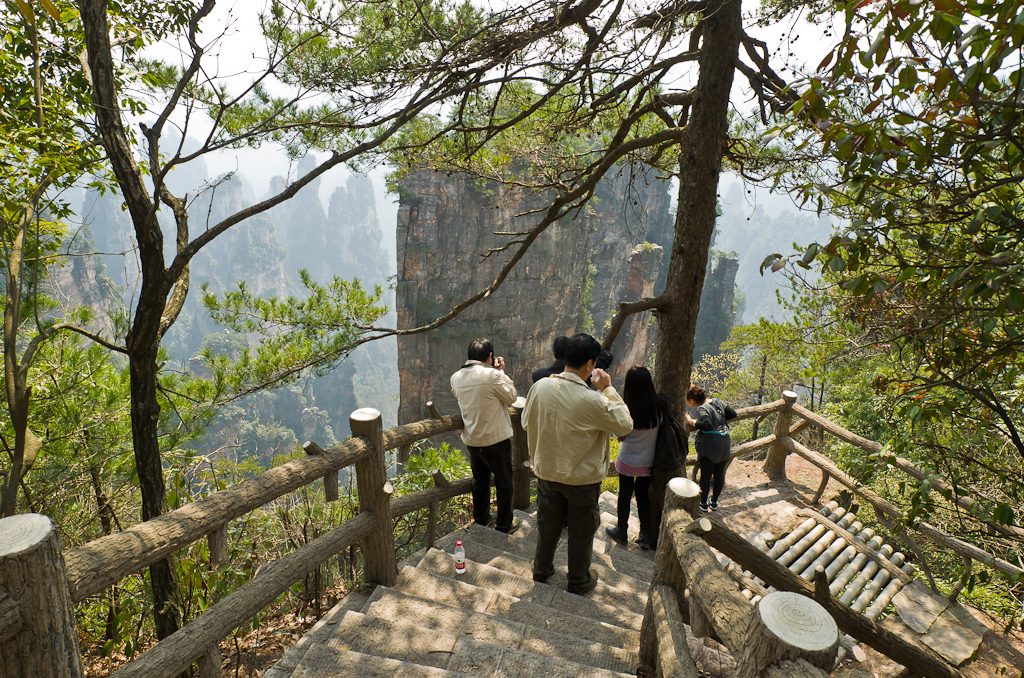
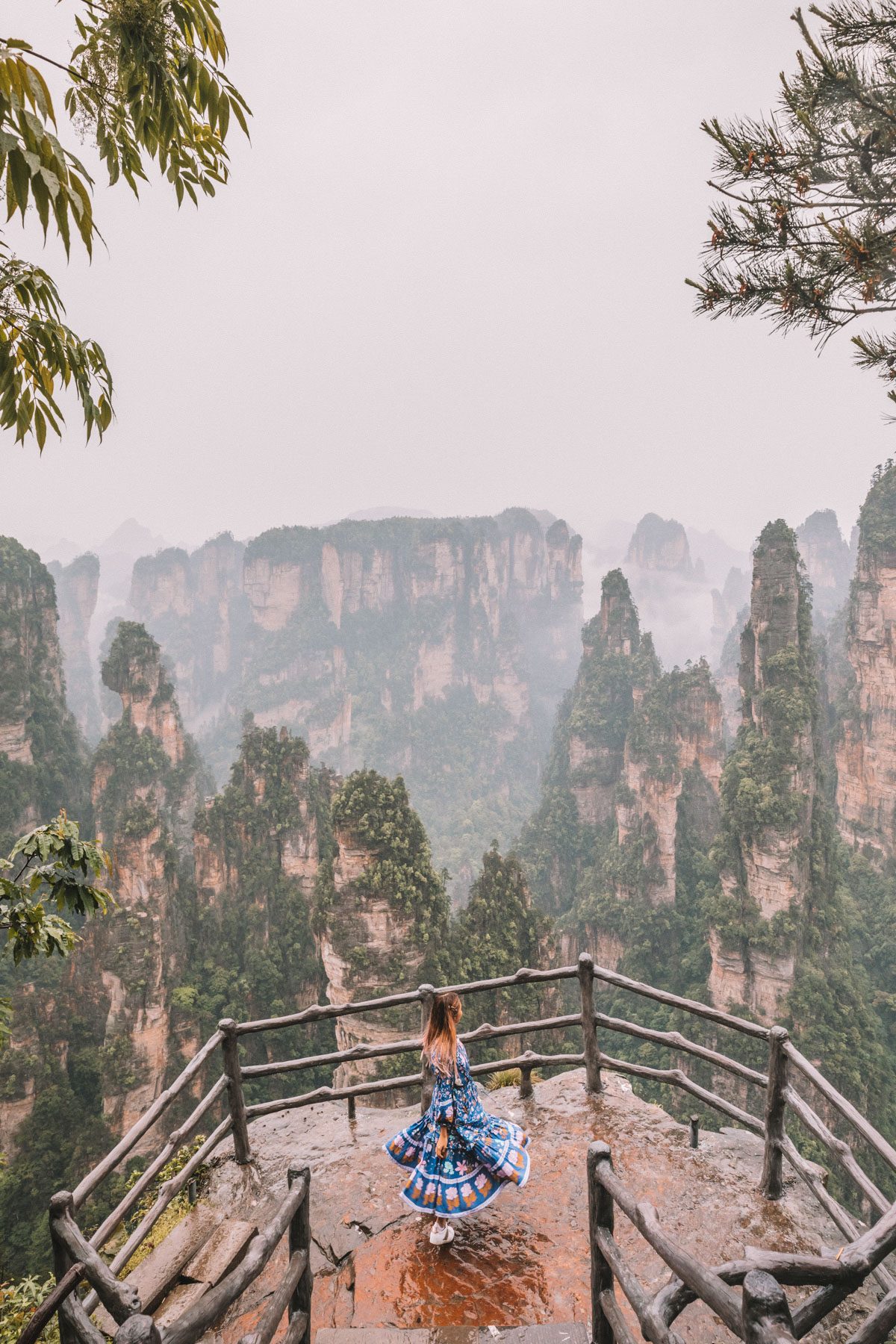
Stand at the edge of the viewing platform to capture the vertical sandstone pillars rising through the mist. This location provides the most iconic composition for Zhangjiajie Photography Tours tours.
Position your tripod on the upper levels of the pavilion for a wide-angle view of the karst peaks. This spot is popular for high-contrast architectural framing during Zhangjiajie Photography Tours.
Capture the narrow stone arch connecting two massive pillars from the opposite railing. This perspective emphasizes the scale of the landscape found on most Zhangjiajie Photography Tours tour itineraries.
Use a telephoto lens to isolate individual rock formations from this elevated platform. These Zhangjiajie Photography Tours tickets grant access to the most rugged terrain in the park.
Navigating the sandstone pillars during Zhangjiajie Photography Tours requires careful preparation for families managing children in this vast mountainous terrain. Focusing on accessible paths ensures that your Zhangjiajie Photography Tours tour remains enjoyable while capturing the unique karst landscape.
Strollers are impractical due to steep stone stairs and uneven mountain trails, so a carrier is required for infants and toddlers.
Baby-change facilities are limited within the park, necessitating a well-stocked diaper bag for the entire day.
The terrain is best suited for children aged six and older who can manage significant walking without fatigue.
Plan for frequent breaks near the shuttle bus hubs to maintain energy levels for the group.
The mist creates atmospheric conditions for Zhangjiajie Photography Tours tickets holders, but ensure children have non-slip footwear and waterproof layers for safety.
Pack sufficient snacks and hydration, as food availability on the mountain trails is sparse and often limited to basic options.
Maintaining momentum during Zhangjiajie Photography Tours requires strategic refueling at the Wulingyuan entrance. While Zhangjiajie National Forest Park landmarks offer limited quick snacks, nearby Jinbian Road provides convenient sit-down venues for photographers.
This venue is located on Jinbian Road and offers local Hunan cuisine. It is a reliable choice for a sit-down meal before beginning your Zhangjiajie Photography Tours tour.
Everything you need to know for your journey
The 248 CNY conservation fee includes park entry and internal shuttle bus access for multiple days.
Yes, these tours are tailored to your skill level, offering guidance on composition and settings.
You can purchase your entrance tickets via authorized local vendors or at the park gate.
Many tours depart from Wulingyuan, which is accessible by local bus or private taxi.
Tripods are generally allowed except in high-traffic or restricted areas; check with your guide.
The park remains open daily from 07:00 to 17:00 throughout the year.
We recommend at least two days to fully explore and photograph the diverse mountain landscapes.
While there are kiosks, we advise bringing your own snacks and water for longer treks.
Please check your specific tour provider's terms, as booking cancellations are distinct from entrance fees.
You can easily combine your visit with a trip to the nearby Golden Whip Stream or local cultural sites.
A serene trail running alongside crystal-clear waters and towering cliffs.
Central hub for hotels and dining near the park entrance
Join thousands of happy travelers who have discovered this incredible experience
Book Your Experience Now