96 hr
Zhangjiajie National Park 4-Day Pass with Bailong Elevator & Cable Car Options
- Multi-attraction access
- Mobile voucher
- Flexible dates
- Free cancellation
Chengdu to Zhangjiajie — High-Speed Rail & National Park Passes
Cross Sichuan to Hunan by rail, where sandstone pillars rise above cloud forests
Compare fares, pick the fit — all bookings are mobile-voucher and eligible for free cancellation where shown.
96 hr
24 hr
10 hr
Planning your trip from Chengdu to Zhangjiajie involves choosing the right access for this UNESCO heritage site. Most visitors opt for the comprehensive entrance package to explore the iconic sandstone peaks and forest landscapes.
| Standard Admission Base Access |
Top pick Admission + Eco-Bus 4-Day Transit |
|
|---|---|---|
| Entrance fee | 165 CNY | 236 CNY |
| In-park eco-bus | Excluded | Included |
| Validity | 4 consecutive days | 4 consecutive days |
| Cable cars and elevators | Paid separately | Paid separately |
| Best for | Budget-conscious hikers | First-time visitors |
| See tickets & prices |
Verdict: We recommend the combined admission and eco-bus ticket for your Chengdu to Zhangjiajie tour, as the shuttle network is essential for navigating the expansive park.
Worth it for nature lovers seeking multi-day exploration
The Chengdu to Zhangjiajie journey delivers exceptional value when you leverage the park's four-day validity window. At 236 CNY, the entrance fee includes unlimited eco-bus access across Wulingyuan's vast sandstone pillar formations—the same quartzite peaks that inspired Avatar's floating mountains. The multi-day pass structure rewards depth over speed; first-timers who book the Bailong Elevator and cable car options can cover the key zones—Yuanjiajie, Tianzi Mountain, Golden Whip Stream—without physical strain, while hikers gain trail access that tour buses skip entirely. Compare that to single-attraction tickets elsewhere in China, and the per-day cost drops to roughly 60 CNY if you use three days. The Zhangjiajie National Park ticket covers 264 square kilometers, so surface-level visits waste the investment. Budget an extra 200-300 CNY for elevators and cable cars if mobility matters; these aren't included but transform access for families and older travelers. Chengdu to Zhangjiajie tours that bundle high-speed rail with park entry streamline logistics but check whether the four-day window aligns with your itinerary—rushed one-day visits undercut the value equation.
Bottom line: The 236 CNY Chengdu to Zhangjiajie park pass pays off when you claim at least two full days and arrive early to beat the crowds.
They complement each other, but most visitors prioritizing high-altitude alpine lakes choose the Jiuzhaigou nature escape, while those seeking the iconic Chengdu to Zhangjiajie tour prefer dramatic sandstone pillars.
|
Top pick Chengdu to Zhangjiajie |
Chengdu to Jiuzhaigou | |
|---|---|---|
| Primary Focus | Sandstone pillars and forest scenery | |
| Typical Duration | 7–10 days | |
| Transport Complexity | High (long-distance rail/flight) | |
| Best Season | Autumn (September–November) | |
| Primary Appeal | Avatar-like mountain landscapes | |
| Visitor Intensity | Very high (all year) | |
| See tickets & prices |
Verdict: Choose the Chengdu to Zhangjiajie tour if you crave world-famous vertical peaks, or opt for Jiuzhaigou if you prefer serene water features and a shorter travel window.
Hand-picked experiences loved by thousands of travelers
9 hours
Free Cancellation
Experience three iconic destinations in one epic day—floating peaks, cliff-edge walkways, and illuminated cascades.
Full day (4 hours train + 4 hours at mountain)
Free Cancellation
Journey by bullet train to explore cliffside walkways, the world's longest alpine cable car, and a dramatic natural cave
Full day (flexible timing)
Free Cancellation
Explore dramatic cliffside paths and witness an enchanting outdoor performance set against mountain peaks
1.5 hours
Free Cancellation
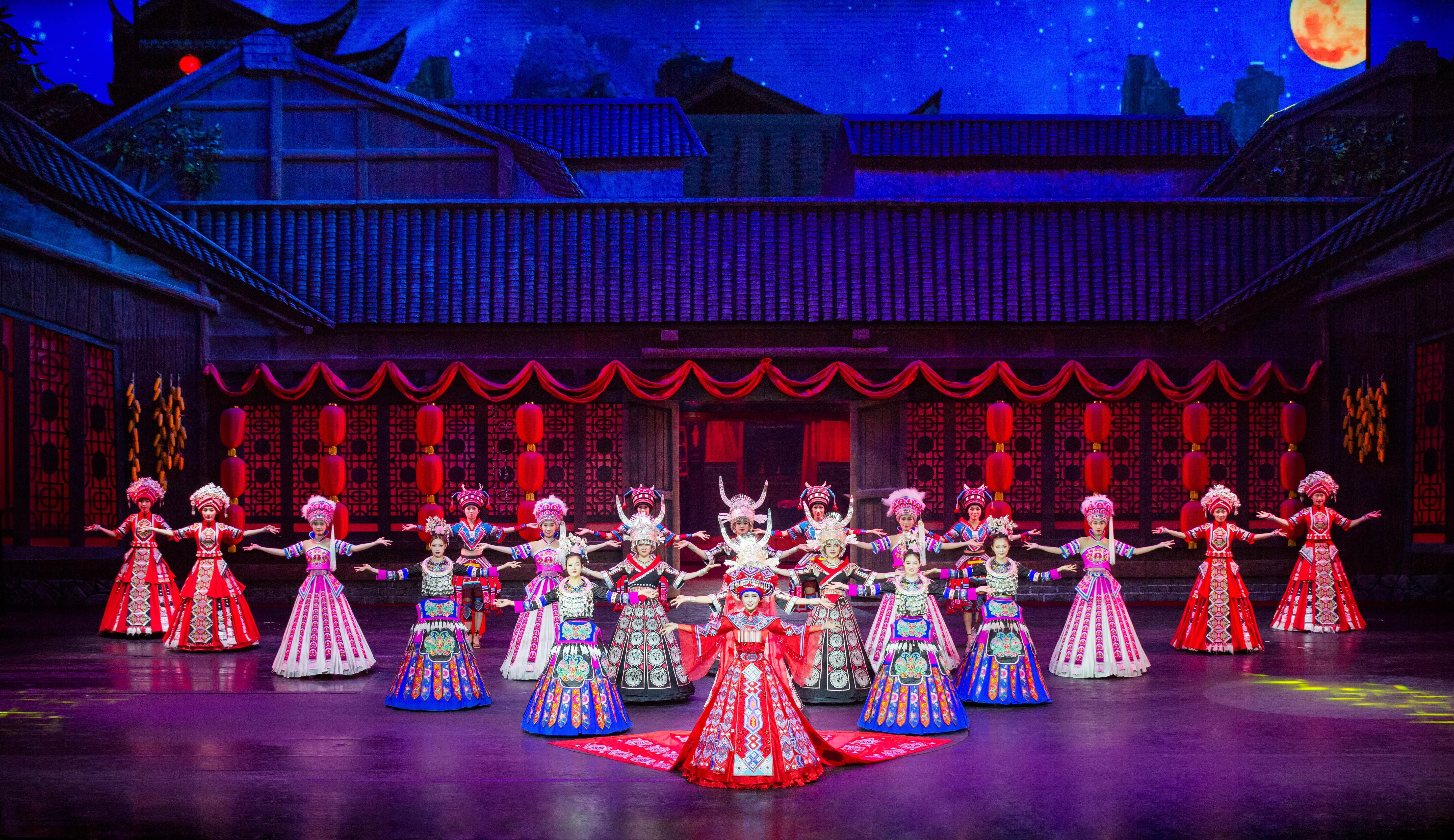
Immersive cultural showcase blending Miao traditions, daring stunts, and bonfire festivities in Zhangjiajie
2–6 hours depending on route
Free Cancellation
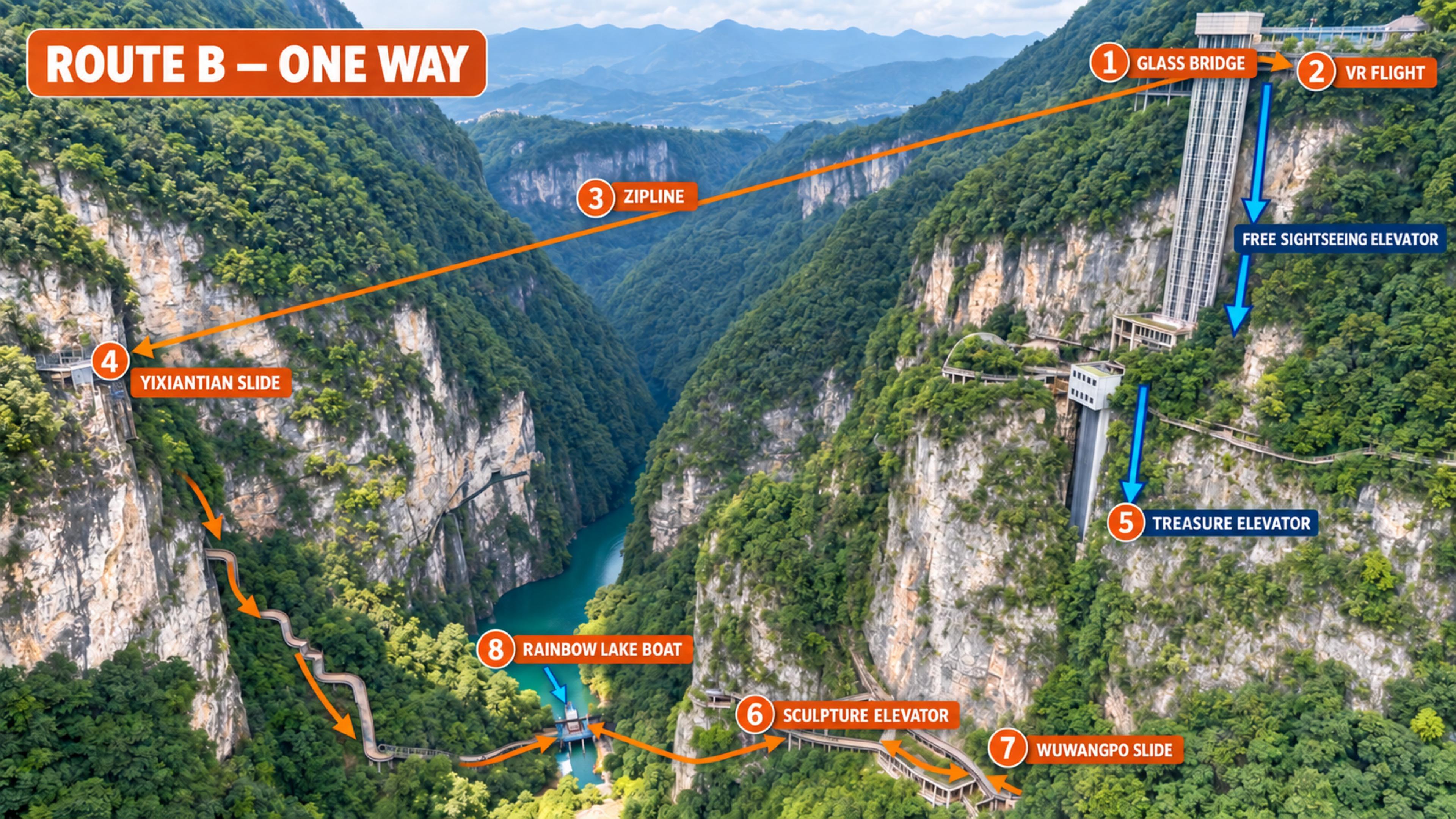
Walk the iconic glass bridge, zip-line across the canyon, and ride scenic elevators through dramatic gorge landscapes.
2-3 hours
Free Cancellation
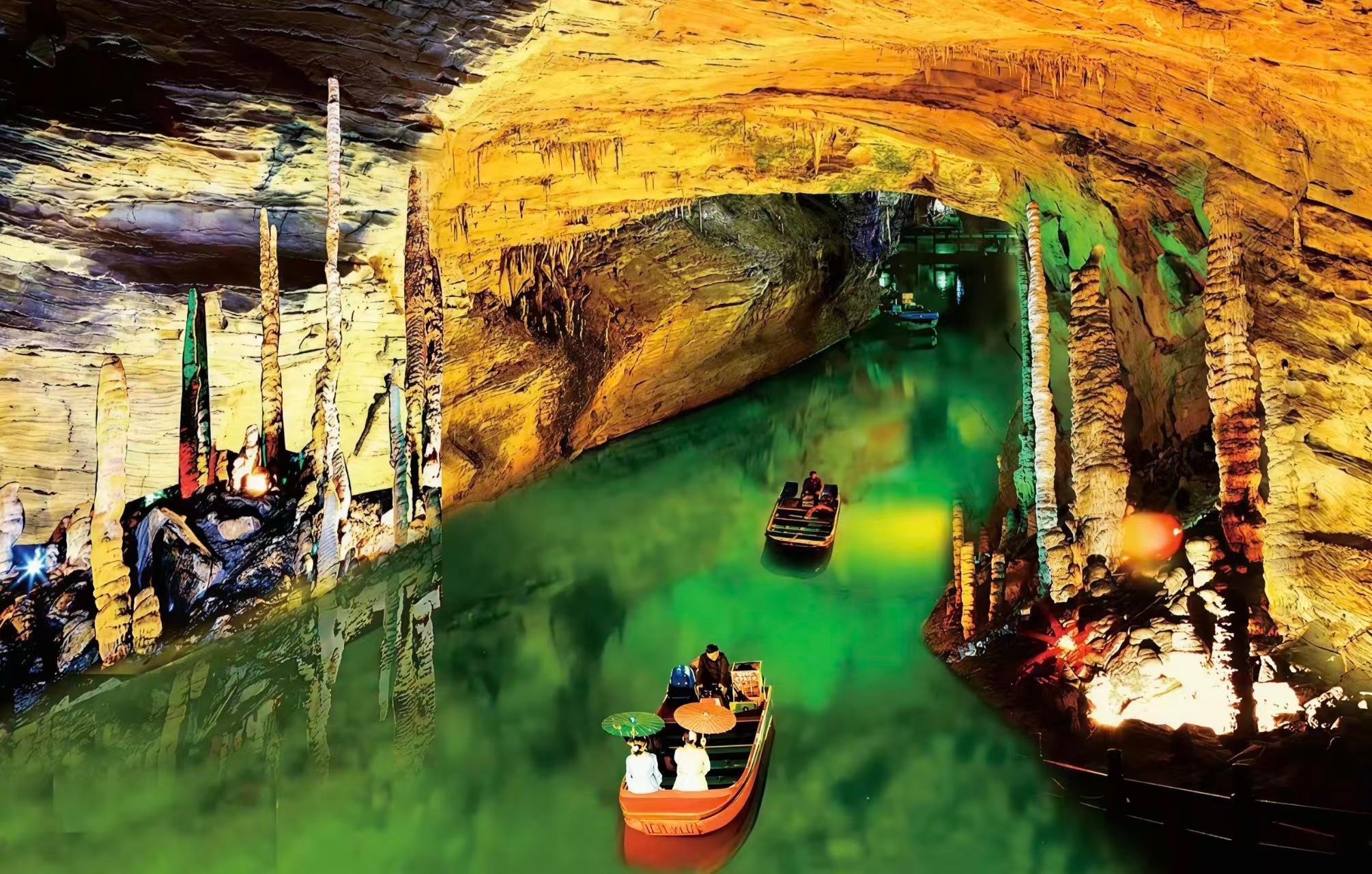
Journey through a vast limestone cavern beneath Zhangjiajie's peaks with a serene underground boat ride
6 hours to 2 days
Free Cancellation
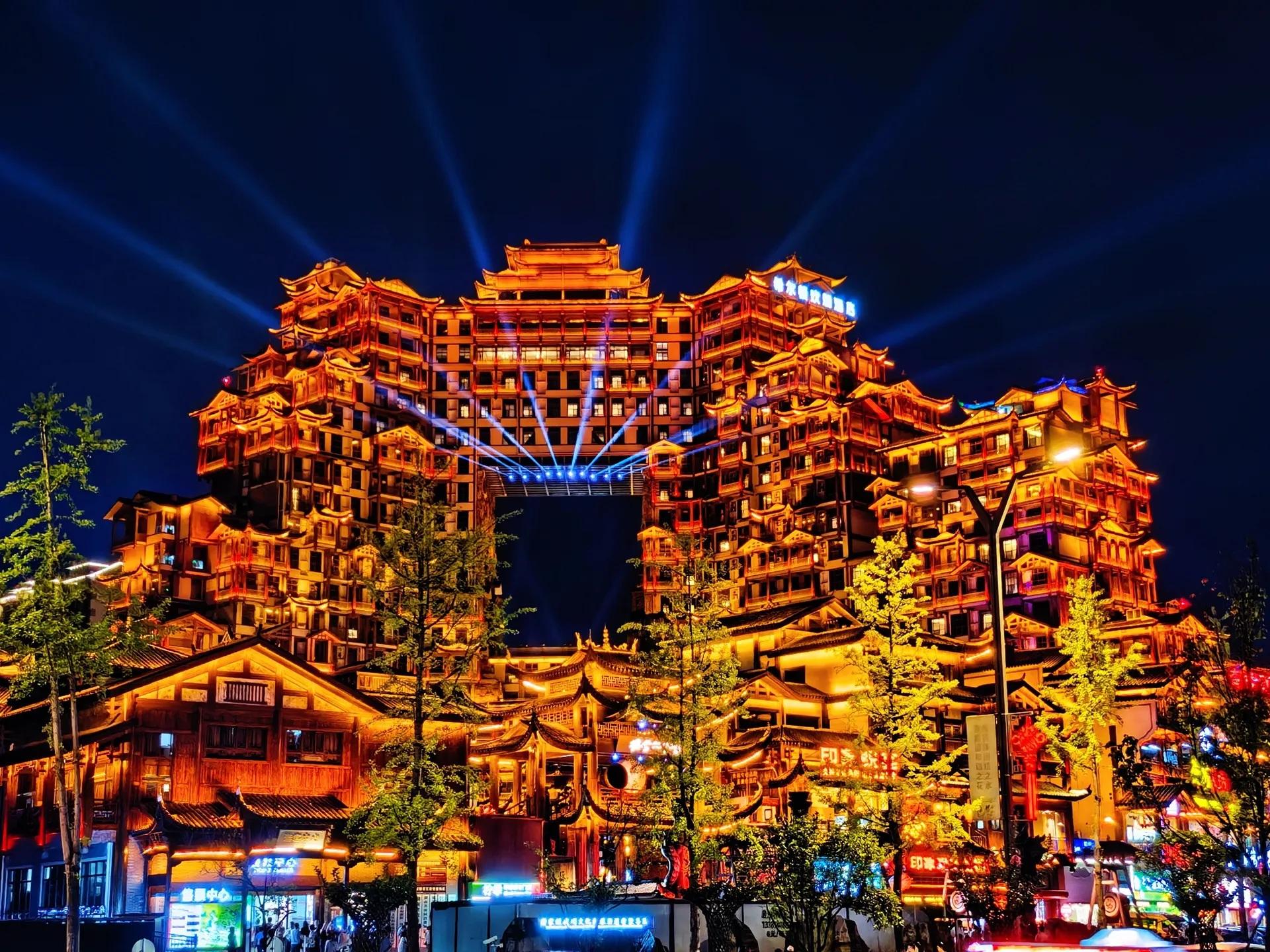
Turn your arrival day into an experience: airport pickup, ancient city exploration, and illuminated timber towers after sunset
4 - 9 hours
Free Cancellation
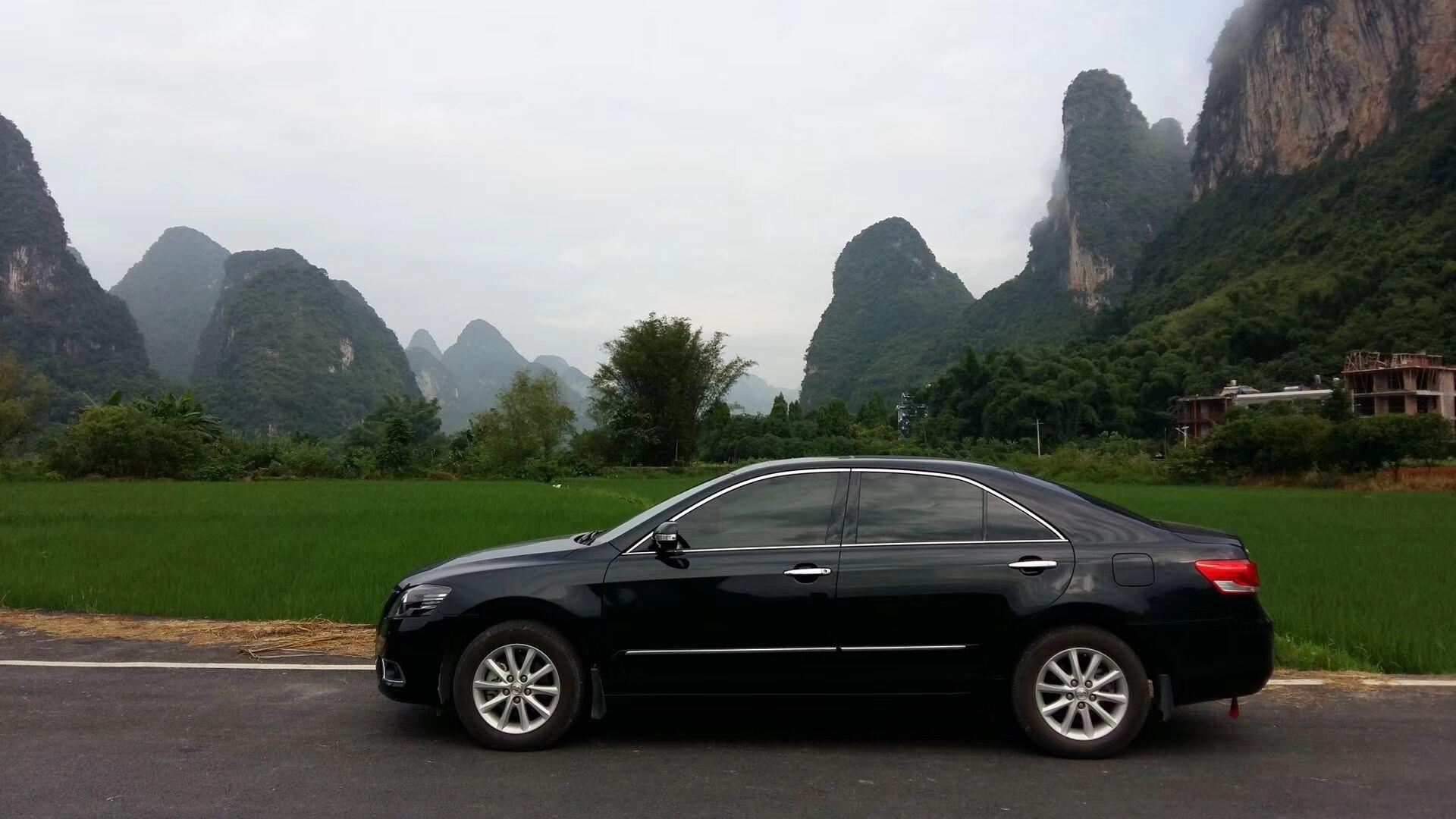
Comfortable point-to-point transfer with optional visits to ancient villages, dramatic bridges, and geological wonders
All the details about your upcoming adventure in one place
The 1,070-kilometer rail corridor linking Chengdu and Zhangjiajie carries 12 daily high-speed services, each completing the journey in under eight hours.
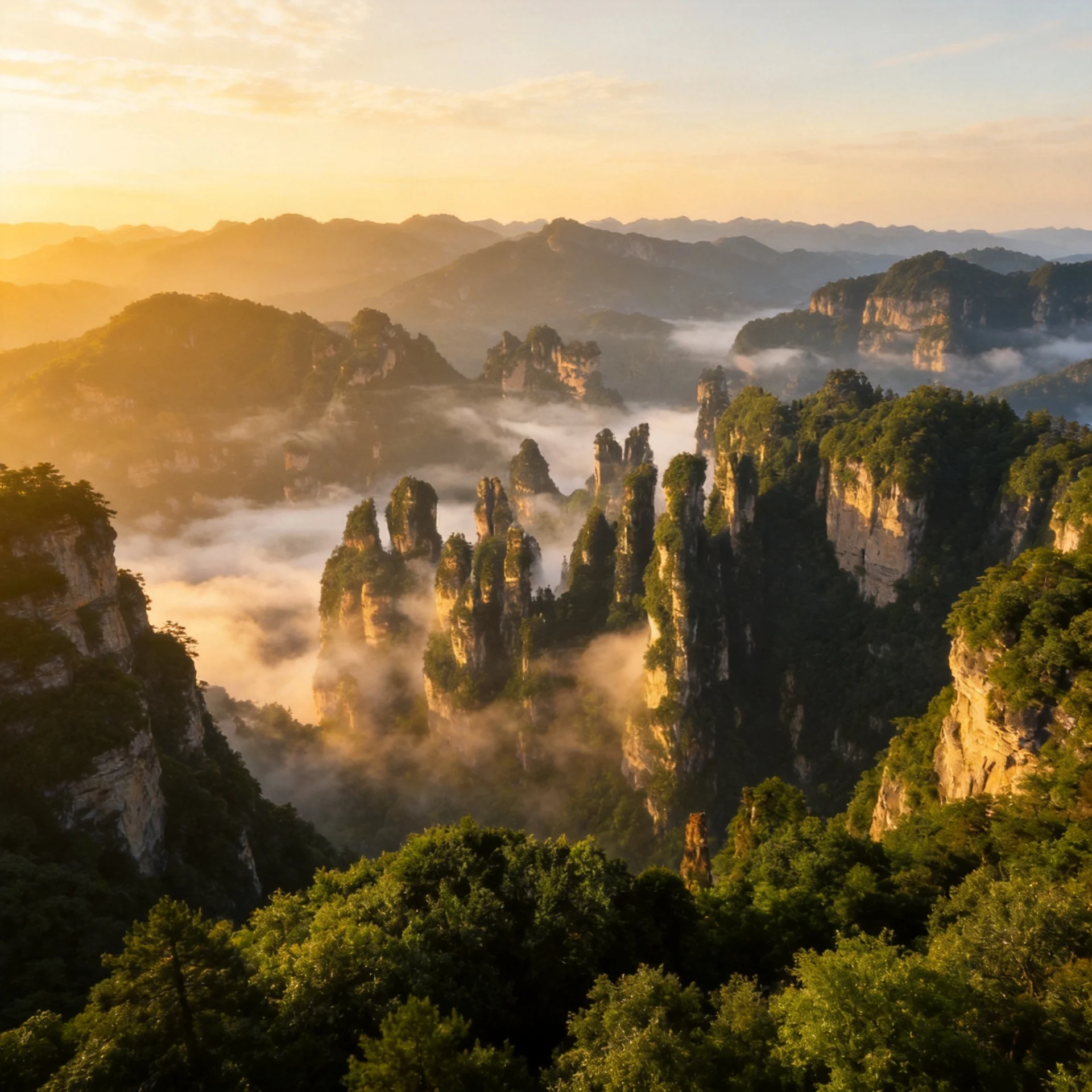
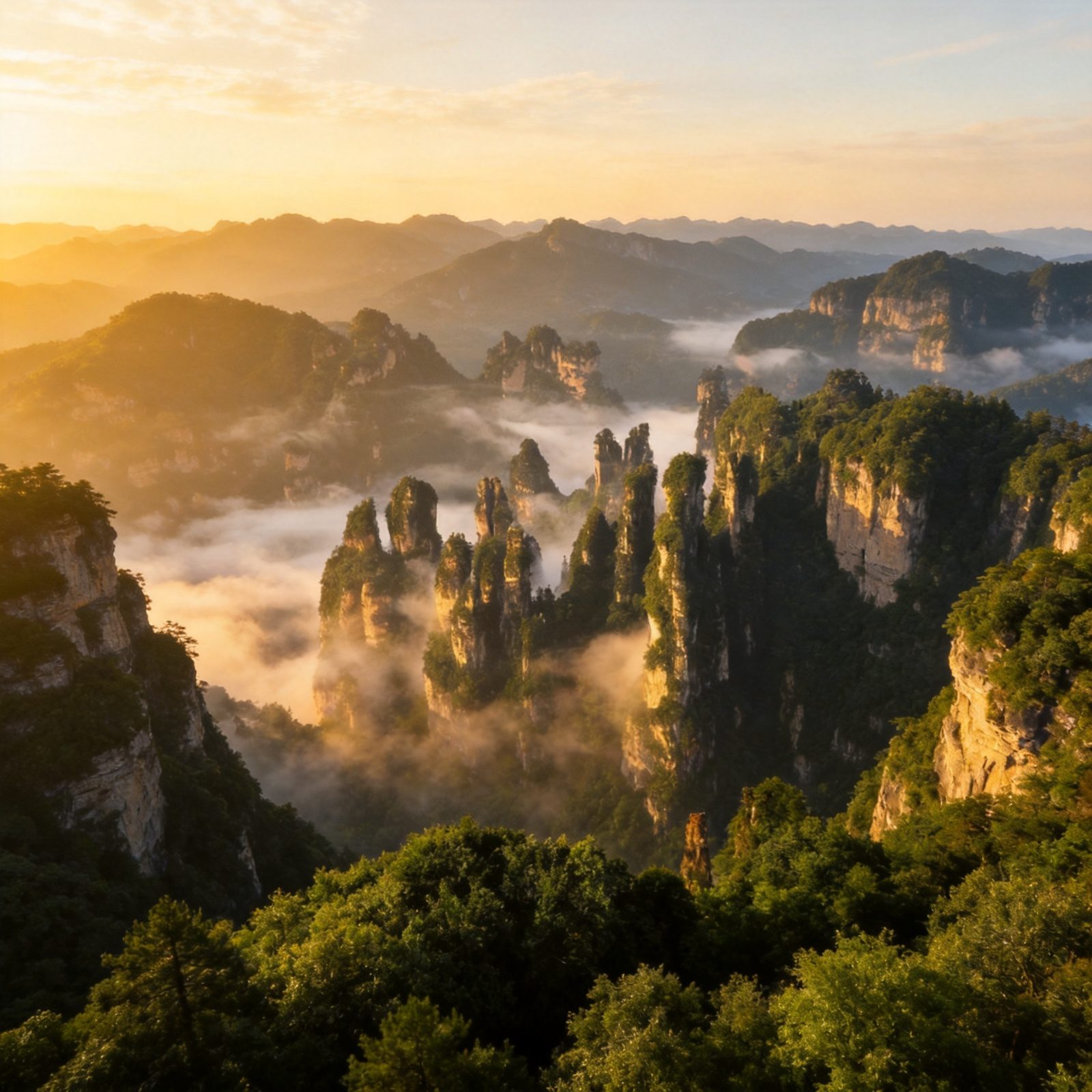
The route crosses the Sichuan Basin, climbs through the Wuling Mountains, and descends into the karst valleys of northwestern Hunan, where the 26,000-hectare Zhangjiajie National Forest Park occupies the Wulingyuan sandstone plateau. UNESCO inscribed the site in 1992 for its 3,000 vertical quartzite pillars, some exceeding 200 meters in height and dating to the Devonian period 380 million years ago.
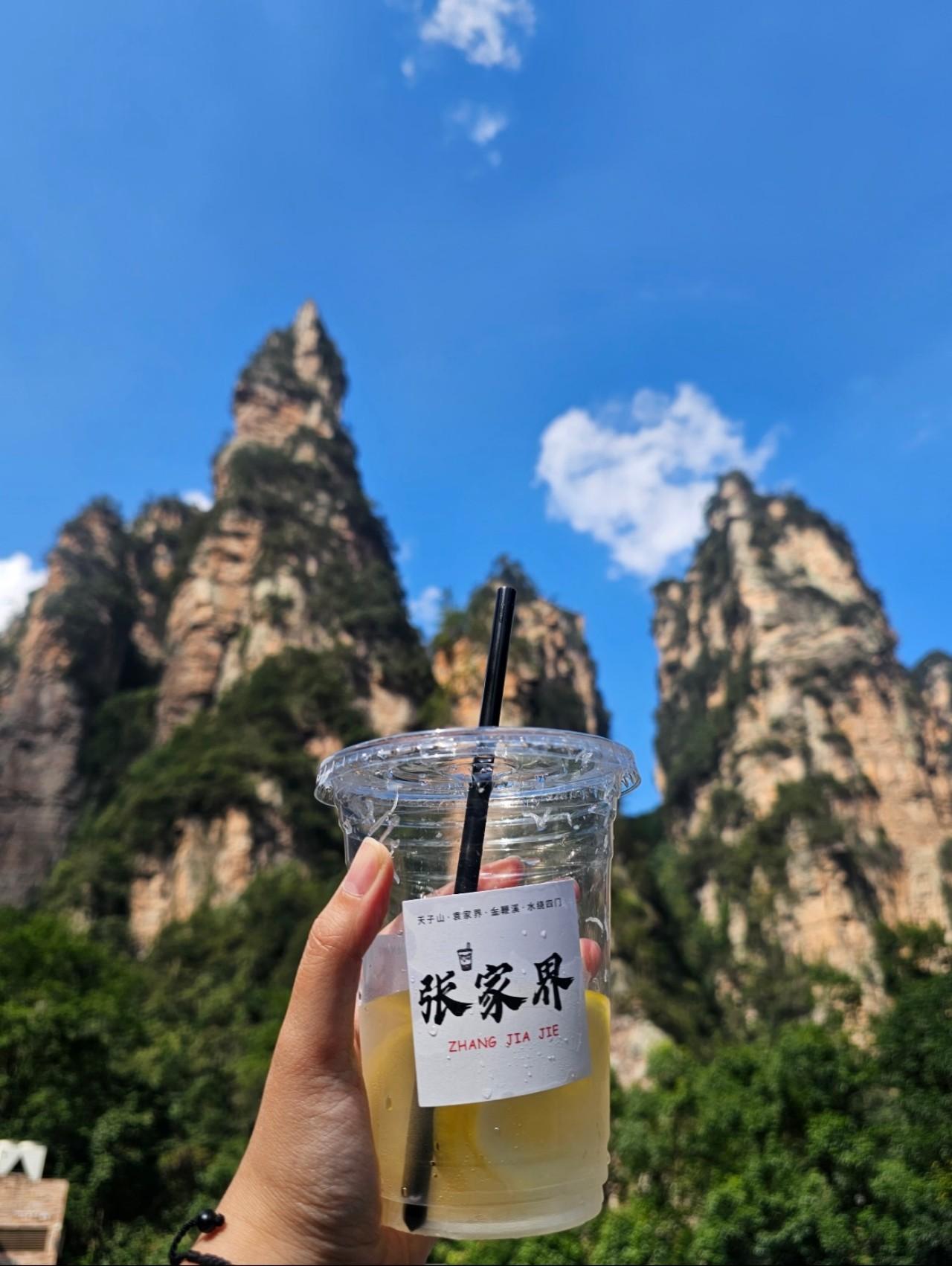
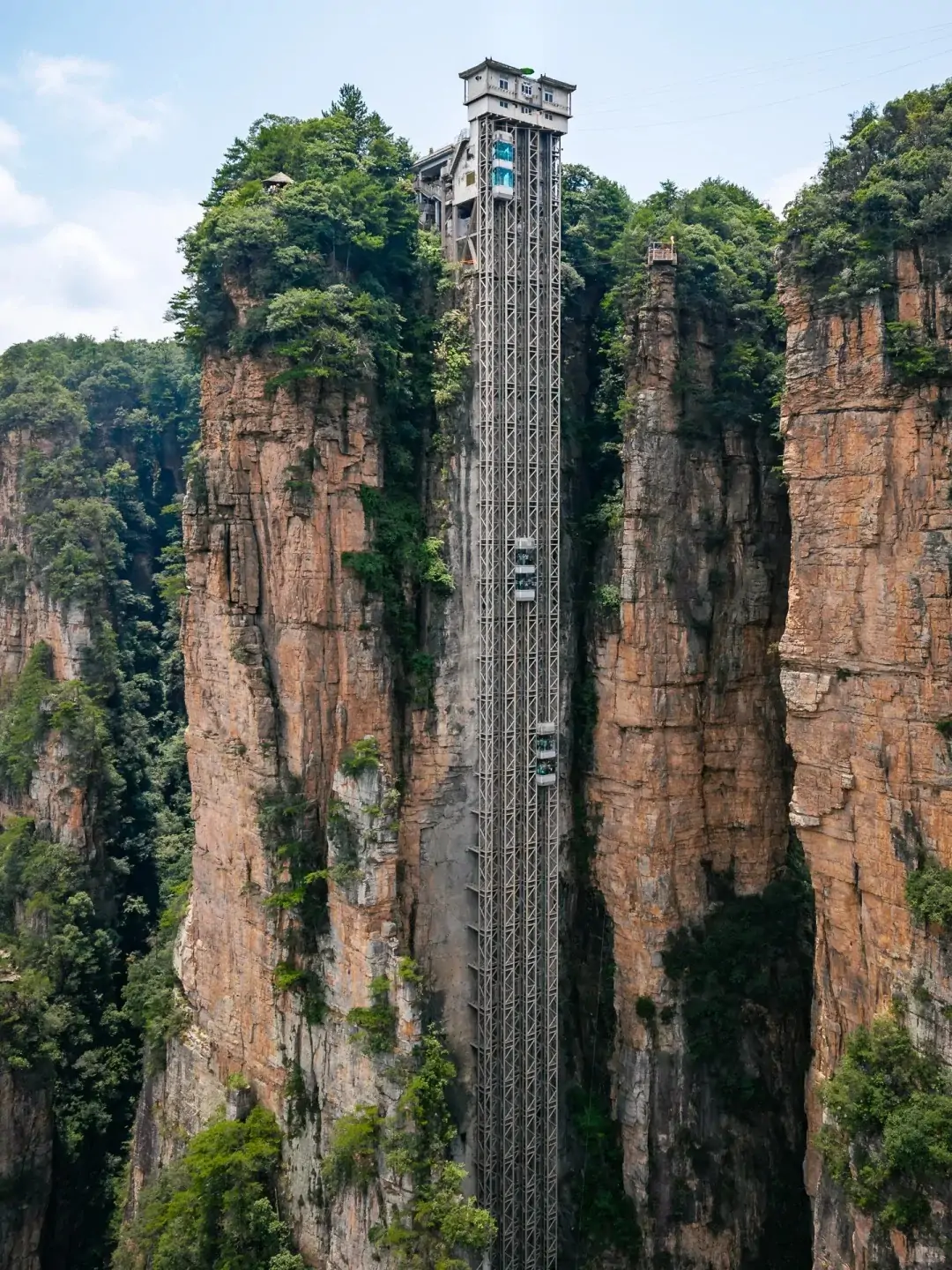
The park's modern infrastructure arrived in stages. The Bailong Elevator, completed in 2002, ascends 326 meters through a cliffside shaft in under two minutes, lifting visitors from the valley floor to the Yuanjiajie platform where the Southern Sky Column rises 1,080 meters above sea level. This pillar provided the topographic reference for the floating Hallelujah Mountains in James Cameron's 2009 film Avatar, filmed on location in 2008. The Golden Whip Stream trail follows a 7.5-kilometer watercourse through the valley below, passing between formations named for their resemblance to brush strokes in classical Chinese landscape painting.
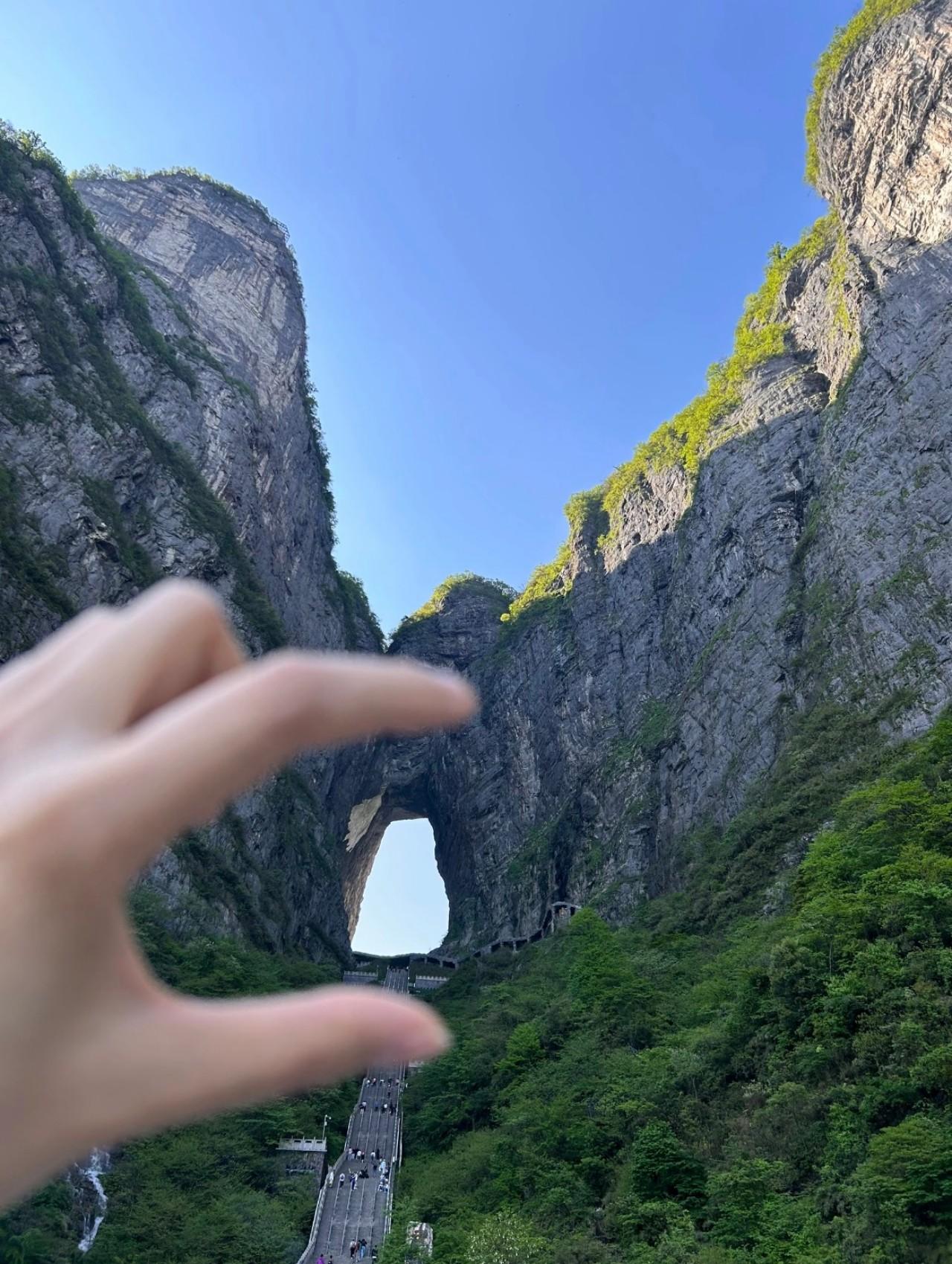
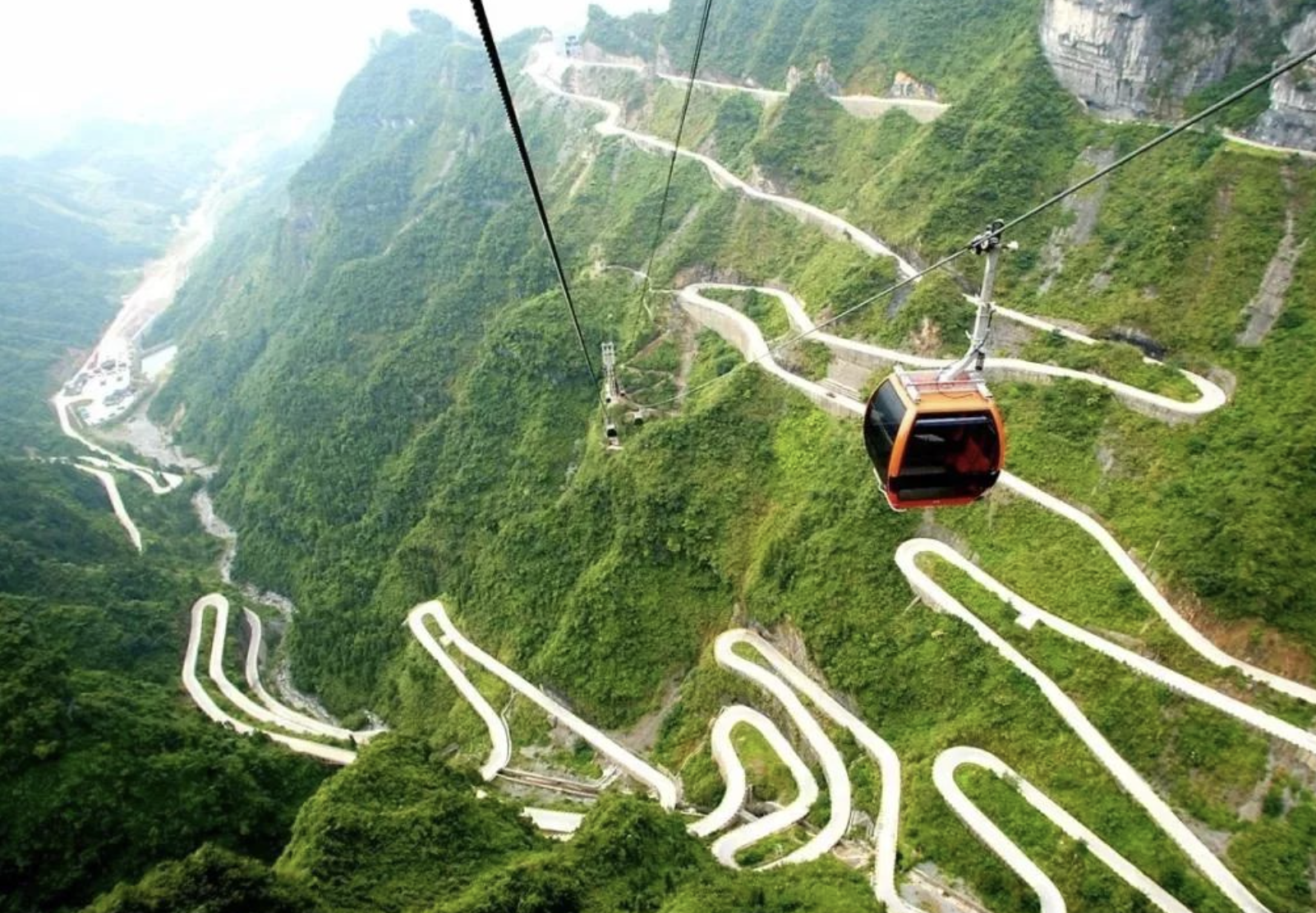
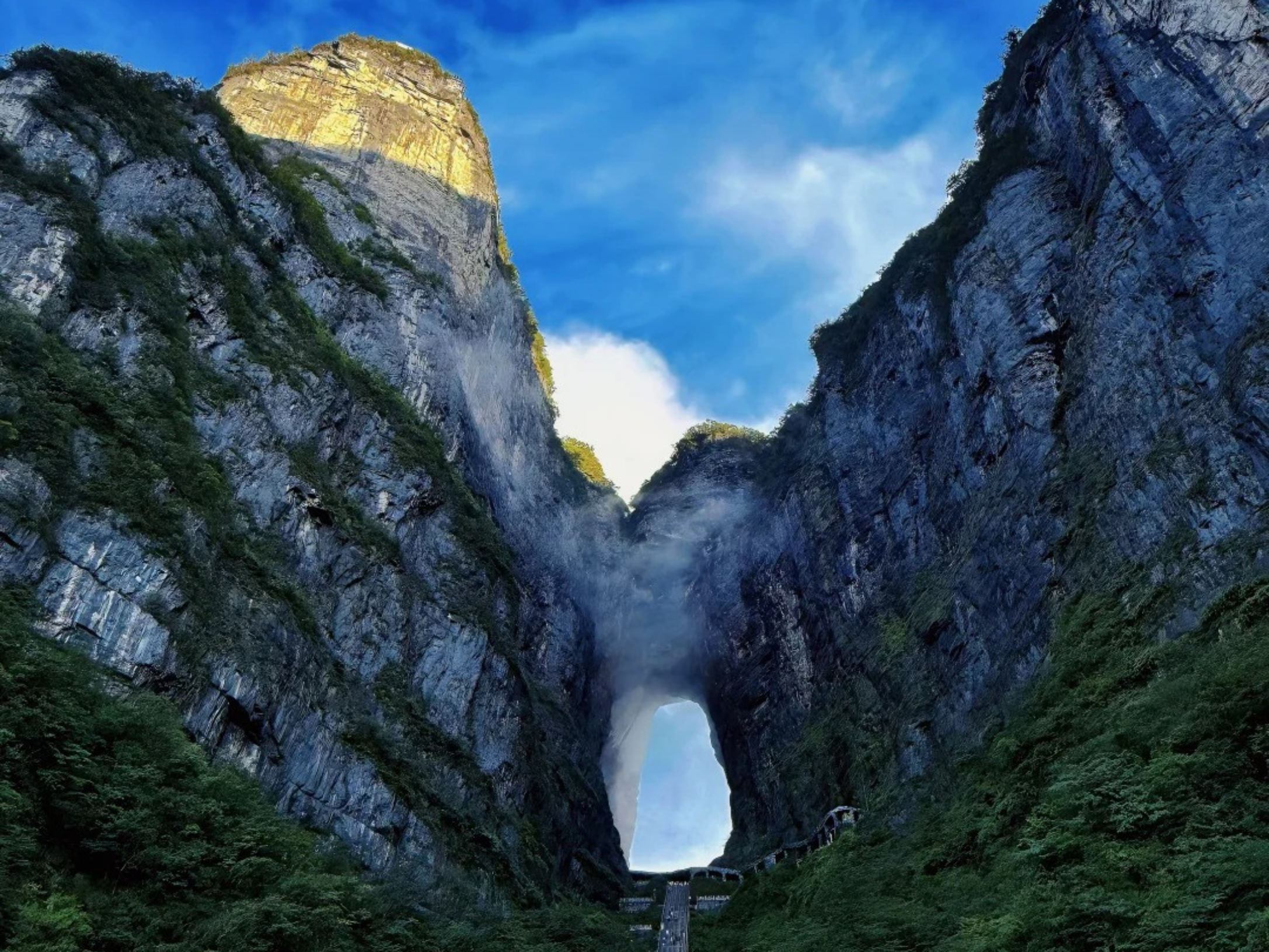
Tianmen Mountain, 30 kilometers south of the main park, operates the world's longest single-cable passenger ropeway at 7,455 meters, rising from Zhangjiajie city center to the 1,518-meter summit in 28 minutes. The mountain's natural arch, Tianmen Cave, measures 131 meters in height and formed through limestone erosion over two million years. A glass skywalk wraps the western cliff face at 1,430 meters elevation, extending 60 meters from the rock wall with 6-centimeter-thick laminated glass panels. The 999-step Heaven-Linking Avenue staircase climbs 300 vertical meters from the cave entrance to the upper plateau, completed during the Ming dynasty and rebuilt with granite in 1991.
Zhangjiajie's sandstone ecosystem supports 720 vascular plant species, including the dawn redwood, considered extinct until rediscovered in this region in 1943. The forest canopy harbors 28 mammal species and 160 bird species, with the Chinese giant salamander inhabiting the park's 40 streams and tributaries. October through December brings stable weather, with daytime temperatures between 15 and 20 degrees Celsius and reduced precipitation compared to the May-to-September monsoon season.
The 3,000 vertical quartzite pillars, some exceeding 200 meters in height, date to the Devonian period 380 million years ago.
Reservations for Chengdu to Zhangjiajie tours must typically be managed 24–48 hours prior to the entry date. Admission fees of 236 CNY are subject to specific operator refund windows.
The journey from Chengdu to Zhangjiajie traces one of China's most dramatic transformations: from isolated mountain sanctuary to global heritage destination. For centuries, the Wulingyuan sandstone peaks remained known only to local Tujia and Miao communities who navigated the karst landscape on foot. The region's remoteness—deep within Hunan's northwestern wilderness—preserved it from early industrialization, though it also meant sparse settlement and subsistence livelihoods. Modern recognition arrived abruptly. In 1982, the Chinese government designated Zhangjiajie Forest Park as the nation's first state-owned forest reserve, marking an official pivot toward conservation. The designation rested on geological urgency: erosion threatened the distinctive sandstone columns that had stood for 300 million years. Construction of the Bailong Elevator (Hundred Dragons Lift) between 1999 and 2002 became the turning point—a 326-meter shaft carved into the cliff face that transformed pilgrimage routes into accessible pathways. This engineering gamble drew international attention; by 2010, UNESCO recognized Wulingyuan as a World Heritage Site. The decision validated decades of infrastructure investment and positioned Chengdu to Zhangjiajie tours as a viable multi-day itinerary for domestic and foreign travelers. Today, the corridor bears the weight of success: annual visitor numbers exceed four million, testing the reserve's carrying capacity. What survives is a negotiation between preservation and access—managed footpaths, regulated entrance fees (236 CNY for four consecutive days), and strict operating windows (07:00–18:00 daily) that attempt to balance ecological fragility with economic necessity. The Chengdu to Zhangjiajie tour phenomenon itself remains contested among conservationists who question whether infrastructure investment ultimately protects or commodifies these ancient formations.
Chinese government established Zhangjiajie as the nation's first state-owned forest park, recognizing geological and ecological significance.
Construction of the Bailong Elevator (326-meter cliff lift) completed, enabling mass access to previously remote plateaus.
UNESCO inscribed Wulingyuan as a World Heritage Site, formalizing global heritage status and international tourism infrastructure.
Regional transport networks expanded; Chengdu-to-Zhangjiajie rail and highway connectivity improved, establishing the route as a standard multi-day itinerary.
Annual visitor capacity management intensified; entrance fee and time-window controls implemented to mitigate overcrowding and erosion risk.
Stand at the upper exit area to capture the massive glass lift ascending against the sheer quartz-sandstone cliffs. This structure provides a unique sense of scale for those traveling on a Chengdu to Zhangjiajie tour.
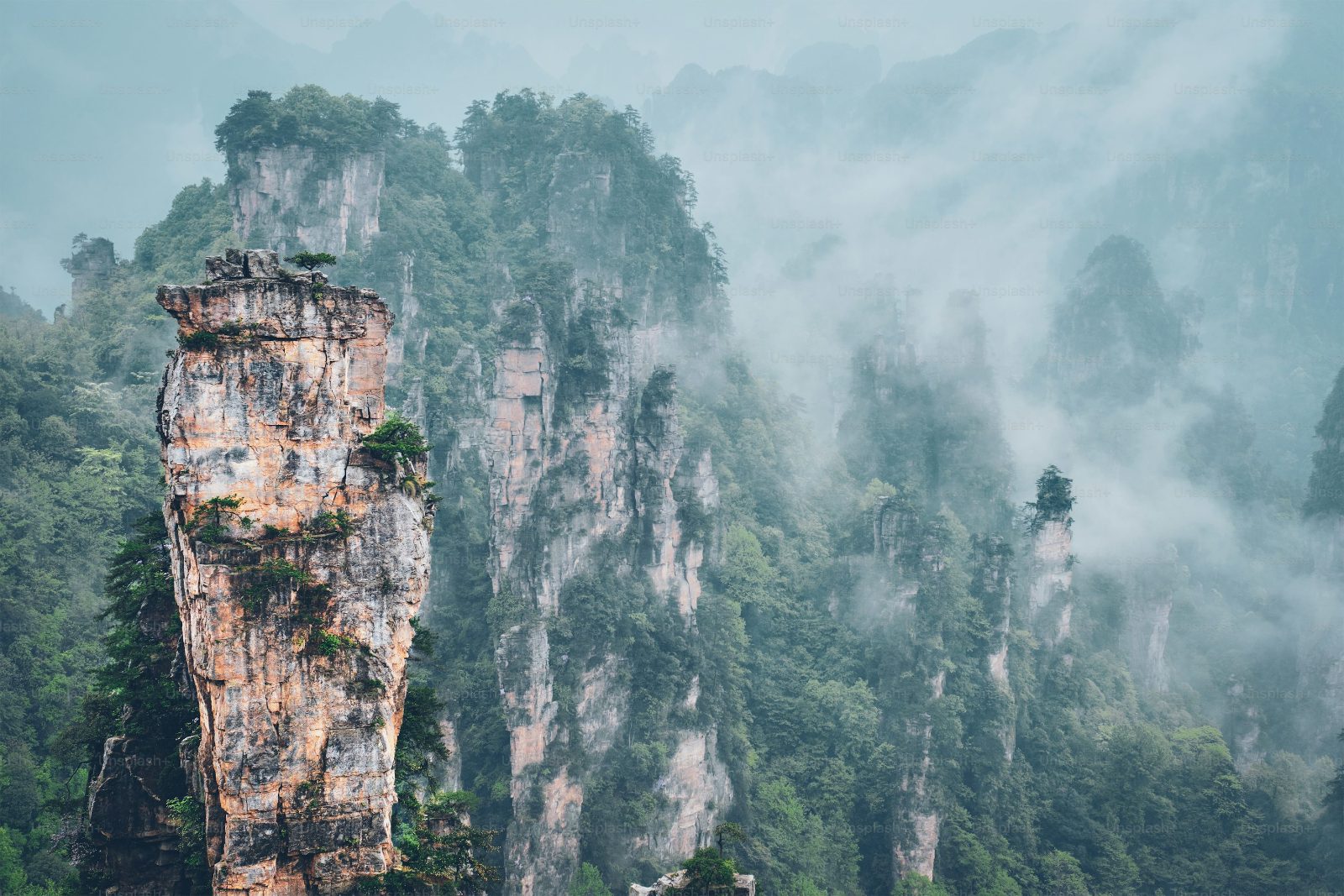
Located near the Yuanjiajie area, this platform offers the iconic view of the floating-style pillars that inspired cinematic landscapes. Use a wide lens to frame the peaks against the drifting mist.
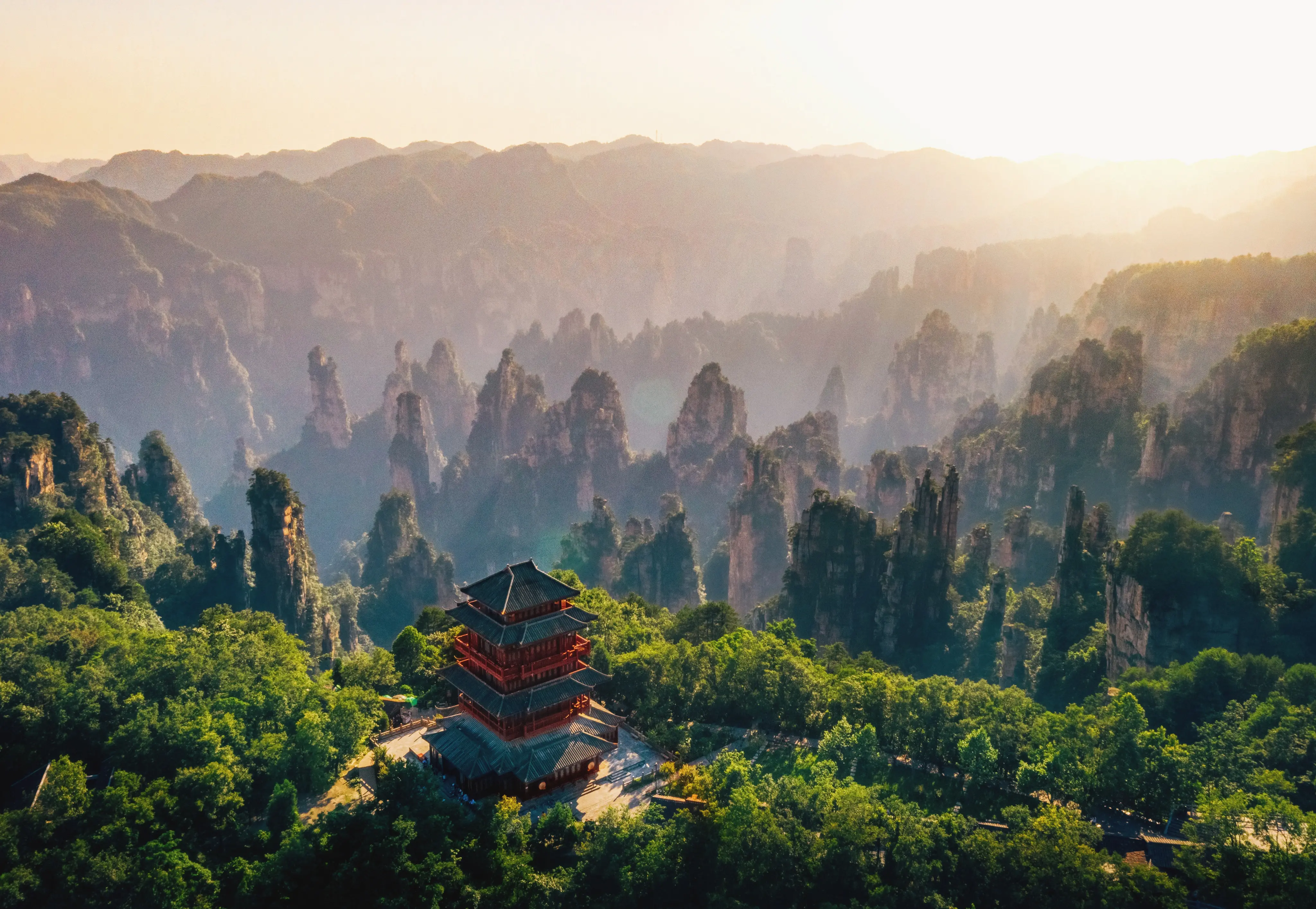
This pagoda-style lookout provides an expansive panorama of the rocky spires and deep valleys of the Wulingyuan District. It remains a key highlight for visitors booking Chengdu to Zhangjiajie tickets to see the jagged skyline.
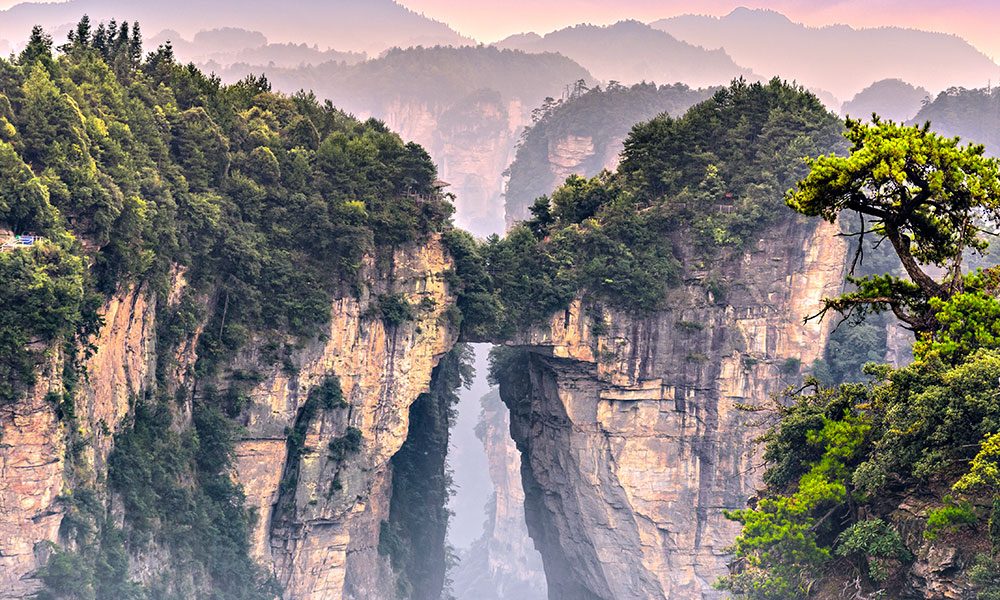
Positioned on a natural stone arch, this spot allows photographers to document the narrow chasm connecting two cliffs. Access is via the main walking paths throughout this Zhangjiajie National Forest Park landmark.
Planning a trip from Chengdu to Zhangjiajie with children requires careful attention to the vast mountain terrain and park logistics. Families often find that prioritizing efficient transport within the park makes for a smoother Chengdu to Zhangjiajie tour experience.
Strollers are impractical due to the steep mountain paths and extensive stairs throughout Wulingyuan District, Zhangjiajie City, Hunan Province, China. A baby carrier is essential for navigating these trails with younger children safely
To ensure a manageable journey, arrive during the best arrival window of 07:00–08:00 to avoid long queues. Expect to spend several hours exploring the sandstone pillars; ensure you review Chengdu to Zhangjiajie tickets options to include necessary transit support
Baby-change facilities are limited inside the park boundaries, so prepare a portable changing kit in your daypack. Use the eco-bus system frequently to minimize walking distances between major observation decks
Pack sufficient snacks and water for the day, as mountain-top kiosks have limited choices and higher prices. You can find Chengdu to Zhangjiajie tours that include planned meal stops to help manage hunger levels during your excursion
The park operates from 07:00–18:00 daily, providing a full day for families to explore at their own speed. The entrance fee of 236 CNY (Admission including in-park eco-bus, valid for 4 consecutive days) covers access to the main park landmarks.
Finding a meal near the Chengdu to Zhangjiajie park entrance is straightforward, as the Wulingyuan district offers various dining spots ranging from quick snack stalls to local Hunan restaurants. Visitors planning their Chengdu to Zhangjiajie tours often grab a hearty meal in town before entering the gates to maximize their time on the trails.
Located a short walk from the gate, this spot is ideal for authentic spicy dishes; it gets busy during the lunch rush.
Situated near the main entrance, this offers a reliable quick stop for travelers needing consistent fare before heading to the cable cars for their Chengdu to Zhangjiajie tickets.
$10-15
$5-10
Everything you need to know for your journey
Yes, families are welcome, though children should be able to handle considerable walking on any Chengdu to Zhangjiajie tour.
Bring a passport, comfortable hiking boots, a raincoat, and a power bank for your day in the park.
Refund policies for Chengdu to Zhangjiajie tickets depend on the provider, so check your booking terms regarding the 236 CNY entry fee.
You can easily combine your visit with the nearby Yellow Dragon Cave or the famous Glass Bridge.
Yes, personal photography is welcome, though professional gear and drones are restricted for all Chengdu to Zhangjiajie guests.
Join thousands of happy travelers who have discovered this incredible experience
Book Your Experience Now